Showing posts with label Critical Thinking. Show all posts

Sunday, June 4, 2017

Owning And Acting On Learning

Connecting to previous posts, Shifts in Learning and Honoring Within Learning of students' thinking journeys about global citizenship, a long overdue blog post reflecting on students values of exploring the Sustainable Development Global Goals. The focus of the blog will be on ownership of  acting on learning  while exploring the causes and factors of developing events affecting local, national and international communities

Giving the students the values of connecting creativity and pedagogical thinking while exploring and learning about the Sustainable Development Global Goals (#teachSDGs). The Grade 6 students focused on designing conceptions representing SDGs and bringing awareness, impacting the Grade 5 students daily actions.


As mentioned in the 10 reasons to pursue Sustainable Development Goals as educators it is our mission to have students take a lead. This year's Grade 6 students developed conceptions applying sensors (Hummingbird) and coding (ScratchX) to share their learning of SDGs with the grade 5 students.  This year's focus of taking national action by building water filters for the Frist Nation communities with mercury-polluted water.  

This blog post will focus on having students to advocate their own learning by deciding how best to reach their audience, to observe audiences' reactions during the presentation and to get feedback if the Grade 5 students were impacted.

Students' samples of the planned audio that were recorded for preparing the coding of the sensors. The planning was prepared to be presented bilingually.


A sample of a conception


There are many ideas to bring the Sustainable Development Goals to the classroom.


Dear supporters: RT this & the movement grows. Dear #globalgoals enthusiasts: Use #TeachSDGs verb & help us showcase great tweets4teachers. pic.twitter.com/rx29R5uNPo

From visualizing the ideas of the conceptions to the actual design. The students reflected on the process by using Life of a Project. Many students persevered with the programming of the sensors and became experts in guiding others as a learning communities. A reflection sample of the design process.


 The links of students' Blog posts explaining the process of the Sustainable Development of Global Goals.


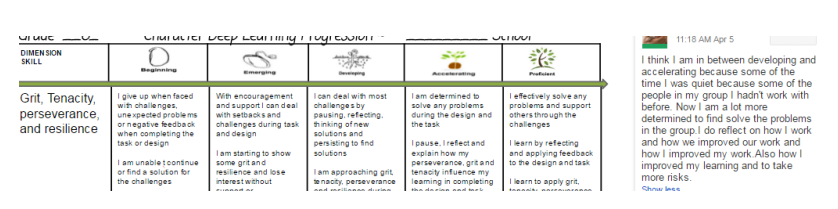
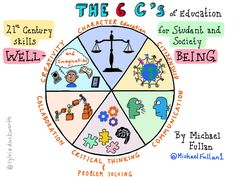
The students always reflect on the competencies throughout the process. I am sharing 2 samples of  students' reflections on the 6C's http://npdl.global/  Their reflections are written at students' French level of expressing their lesrning.


When we focus on a process of learning owned by the students, they make a difference in their own learning and among their community of learners too. When sharing the Grade 6 students also collected data if they have impacted the Grade 5 students. It was very powerful for students to reflect on the collected data after presenting the causes, factors, and reasons of the Sustainable Goals. They interpreted the data by using the ladder of inference in order to analyze and  conclude if they have impacted and empowered the Grade 5 students.


Many schools from around the world have taken actions by connecting with others for problems solving and making a difference. By following #teachSDGs on Twitter you will discover many projects from around the world. This is an example by Sean Robinson High School Students.

As educators, we must continue to inspire students' creativity with lasting impacts from around the world by reflecting on how other nations endure many difficulties for survival. It is building compassion for taking actions by impacting their own lives and the life of others. Harnessing and encouraging Global perspectives for investigating, recognizing perspectives, communicating and taking actions in becoming global citizens.

What learning opportunities are we creating for students to take risks and take actions toward local and Global communities?

Monday, March 13, 2017

Shifts In Learning

My learners and I continue to shift our learning and evolve through competencies for authentic learning connections. We continue to experiment with learning, reflect on and iterate the learning in order to embrace the winding road of rich learning practices. Shifts in learning involve learning to happen with the students, being engaged with them, sharing and reflecting during the process in order to allow the shift and the depth in the learning.


As mentioned in previous blog posts learning practices embrace clear purposes, success criteria, feedback from the teacher and peers, and opportunities to self-assess and have students determine their own progress and success. (My previous post on reflecting)


Reflecting continues to pave the way to deepen our daily experiences. There is no linear learning or planning. Our learning is always based on how we are going to demonstrate thinking and having content as an equal partner with cognition for my instructional practices and for the students' learning outcomes. In this blog, I am going to focus on the latest learning experiences and unpack our shifts in our learning. These learning experiences are many opportunities to also pique students' curiosities.


The students are reflecting on their own growth on a daily basis. The competencies are also explored and highlighted during the process. The students focus on how the learning experiences develop their growth and next steps through competencies. When I am planning the learning experiences, I am also referring to the competencies.


Our school board, the Ottawa Catholic School board has been building experiences of competencies with their schools for the past three years based on Michael Fullen Pedagogies for Deep Learning.


As I catch up to my reflections on our shift in the learning process, at this time my learners are becoming more comfortable with being uncomfortable and are capable to independently refer to their habits as they are applying and reflecting on the competencies for learning. (Post on the Unlearning) The students are thinking with flexibility and paying attention to details when reflecting on real world experiences and audiences.


Connecting to real world learning through the Global Goals For Sustainable Development in relation to Grade 6 Social Studies Curriculum of Canadian Interaction With The Global Community has lead to the process of explorations that began in January through the visual arts and drama as students still continue to investigate local, national and international events.


The learning shift for the students has been done by becoming open minded while focusing on social justice, political and economic impacts to the environment. When reflecting on these experiences they are rendering to real world accountability.


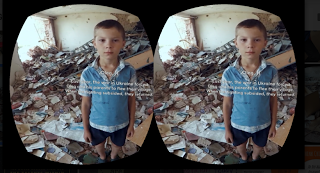
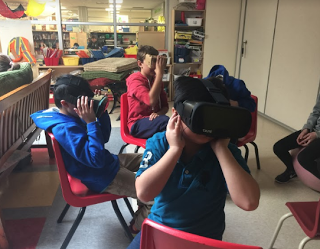
After watching 360o videos of Virtual Reality about the "The Displaced from NYTVR, which it could be viewed on 360o videos on Youtube.


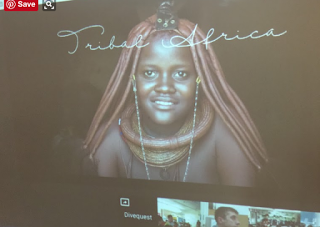
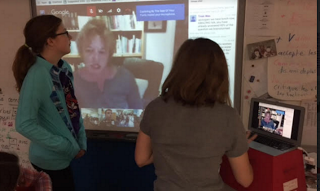
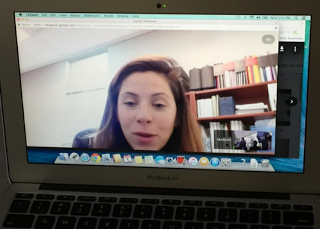
We were lucky to also have a camera spot on Exploring By The Seat of Your Pants with Inger VanDyke who captures images from tribal Africa. This was an interesting hangout for the students as they reflected on how happy these cultures are and how immersed they are with their simple daily life expectations.


Students interacting with the presenter and documenting their new learnings.


We also followed up on events by reading, listening and viewing many links online from our local, National and international news on xenophobia, human rights, Children rights and twitter from United Nations and UNICEF.  

Of course the exposure to many perspectives and contexts matter. This blog focuses on students' reflections and their journey to further explore empathy by observing, listening and sharing their thinking during class discussions. The students are reflecting on their own growth by being concerned for the planet and relating their learning to social, economic, political and environmental impacts of all human actions. I am amazed by students' reflections and their courage of being authentic to their emotions and embrace the shift of learning about themselves.


The pre and post reflections focused on Citizenship, "thinking like global citizens, considering global issues on a deep understanding of diverse values with genuine interest in engaging with others to solve complex problems that impact human and environmental sustainability." (Fullan &Scott 2016 p.6)


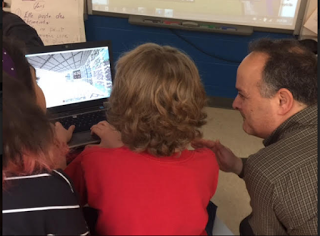
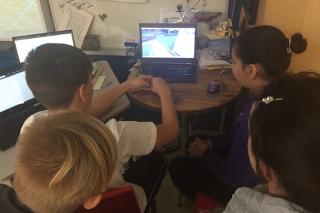
The students have taken action on environment sustainability while exploring the production of energy. They have designed and built sustainable cities on Minecraft with zero emission and they partnered with Natural Resources Canada with Mr. Meli Stylianou for feedback about zero emission housing and with Dr. Marianne Hatzopoulo for urban sustainable cities. I should have blogged and shared students' thinking of the process of environmental sustainability. I will share some evidence.


Mr. Meli met with all groups on their sustainable housing.


Dr. Marianne Hatzopoulou offered feedback online with all teams about their mine craft samples of sustainable cities and infrastructures.


As students focus on global issues, as to which they are presently planning to take action with Students Who Teach the Sustainable Development Goals. They have begun their designs of informing their local and global community and hopefully, I will be able to share their process of design.


Below are some images of the Grade 6 reflective shift and expressions of where they are now with their thinking about global issues, global perspectives, diverse values and understanding their place in local, national and global life. The reflections are written in French and I will be translating them.


I am proud of how my learners are progressing with their emotions and sharing how they are moving forward by thinking about the future and how it is real and it impacts everyone. The process of reflection about the Citizenship competency has allowed them to accept where they are at, how to move forward, embrace change and emotional exposures to other people's experiences, needs, and concerns from global, local and national events. They have become listeners, observers, curious, caring and sincere to understand than approaching people with a mindset.


The classroom is the beginning for the learners to explore and invite open-minded curiosities about diverse world values and views. The students will continue to make these global connections, differentiating facts, thinking critically and taking their learning deeper. They will continue to reflect, express their self-awareness and think how to impact others through social change.


How are your students reflecting on the change of their feelings and emotions towards real world problems?

Sunday, November 6, 2016

Every Day Is Unique

There are so many challenging approaches to consider when we are thinking about education. For student-centered learning approaches the needs to be innovative, creative, critical thinkers, designers, deep learners, reaching  personalized learning, empathy, and many important skills are required. There are many views and experiences that educators, parents, and administrators face reaching these approaches.

How do we facilitate these purposes? How do we get students to experience these purposes?

I am by all means not an expert and my learning continues to be enriched from my students, my colleagues at school at the board, from the community whom I learn with and of course online learning.  Every day is unique for me and my students as we reflect, refocus, rethink, retry and unlearn to relearn.

My years of teaching experiences locally, nationally and internationally have guided me in making connections about the process of risk taking and learning with the students.

Many unpublished posts since September and spending October learning with many educators from the Makers Faire, EdInnovation, Ontario Makers and Mentors Innovation, many questions from participants and daily experiences with my students have energized me to write this post.

Every day is filled with unique challenges and these challenges drive our learning and our students’ learning experiences.

This year is a different experience for me. In previous years I have taught students for two or three consecutive years. Meeting my new experts this year and working together to learn compassion empathy and valuing thinking have been unique daily experiences. Learning is a process and we all know that it is not linear and it loops with many challenges that make us reflective researchers and learners.


I am following an advice from a friend by keeping my posts brief.  I just captured few slides that highlight the beginning of the year from 3 different thinking processes that I shared during EdInnovation Oct 22nd and 23rd.


The year begins by building a culture of reflectors, collaborative communicators, critical thinkers, creative learners whom together identify their intrapersonal character to connect a community of respect for themselves and others through interpersonal values of ideas.

Through many learning experiences which I will share in details from students in later posts, we continue to explore the unlearning for relearning and valuing the how and why of skills . It could be from walking into the classroom to content, concepts of learning as well as critical and creative thinking skills throughout the day. I have learned when reflecting and consolidating with the students to highlight the needs of unlearning to determine what we need to relearn. This lead to focusing on the value and the purpose of the how and why. The Backward Brain Bicycle is the video that the students always refer to when we unpack the unlearning.


This is important because our brains are always set in making judgements based on assumptions and predictions than unpacking the purpose and retrying with the focus on the mindset.  This is the learning through habits by recognising the unlearning.  It is a shift of mindset that requires for students to build new skills, to value and understand the learning process based on their individual needs.

It is a process of ongoing long-term goals of discomfort for learning growth. The students to become more comfortable with risk taking and tensions during learning. Being aware that habits of an unlearning are very important to explore and reflect upon in order to pursue the innovator's growth mindset by celebrating successes from failures. Basically, it is to continuously take the time, to improve through risk taking, reflect and identify  the unlearning, recognise and determine the effort of the unlearning for a growth of learning.

This growth also affects the classroom community culture and opens up students' minds by refocusing, reflecting and identifying their individual growth.  The insecurities and the overwhelming become part of our classroom valuable culture of empathising with each other as we all recognise individual risks. It is a long process to allow this mindset!


A growth mindset is more than just positive conversations; it is identifying the habits and developing a critical mindset of skills to unlearn for deeper learning.  It is giving students the skills to develop their learning. Giving them a voice to unpack their learning and become confident reflectors.


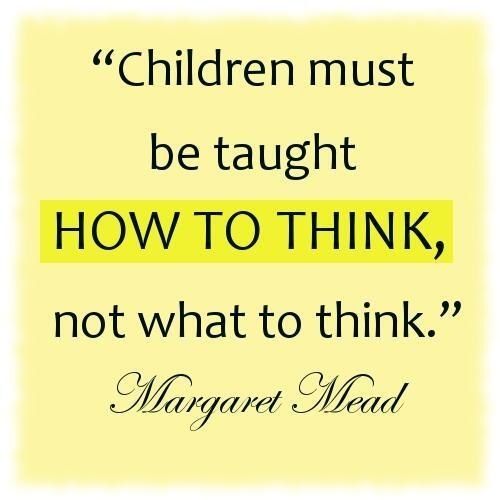
These quotes are so true:

“Teach students how to solve any problem, a general problem-solving approach. And teach them to do it in a community.” "That’s what’s really going to serve them as they go through life." Alan November


3f01c4205da368e122e39843bc365105.jpg

All students are capable of thinking and learning. We need to encourage the students to achieve a culture that learning is thinking, valuing others ideas, recognising tensions, risk taking and pausing to reflect and make habits of recognising the unlearning for relearning or learning.  


Have you risked the unlearning with your students? What unlearning have you done as an educator to achieve learning with your students?  Every child is a learner, am I giving them the time to discover and reflect on their learning? Every day is unique, what matters is, how are we recognising the uniqueness of changing our thinking and mindset? How students are recognising their mindsets in learning situations?


einstein-quote.jpg

Monday, April 25, 2016

Students Crafting Their Learning


I finally found the time to reflect about the excitement and learning with the students on MinecraftEdu. The Ottawa Catholic School Board Learning Technology is piloting few licences of MinecraftEdu for next year and thanks for giving me the chance to to be part of the pilot project and it has been a learning journey with the students. Thanks to Learning Technology technician Matthew Murphy for his guidance with the set up.

In the past the students applied Minecraft to Social Studies on a classroom Minecraft account that I have purchased. They built a museum of  aboriginal peoples' adaptations to the environment.

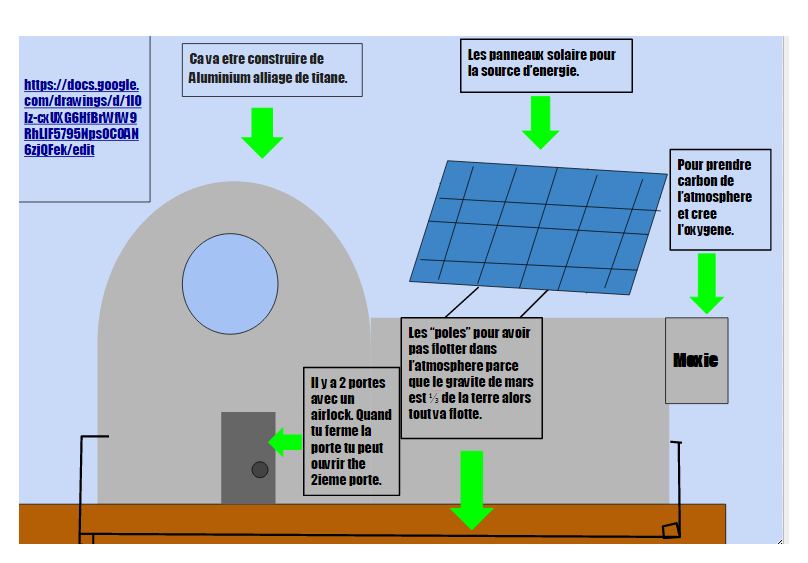
It  has been a learning process that the students have embraced from the Integrative Thinking model to the Designing Thinking process for the mission to Mars.

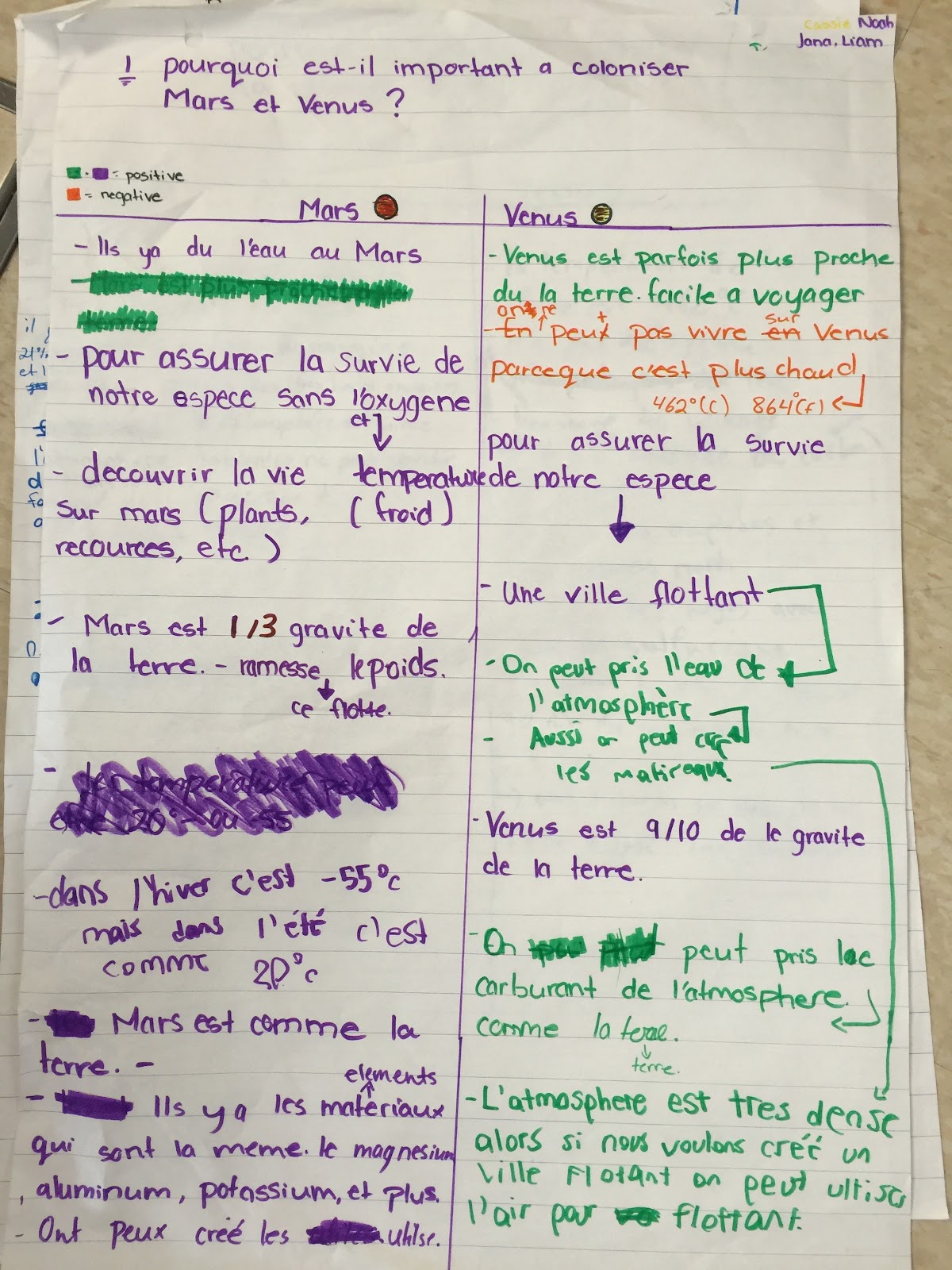
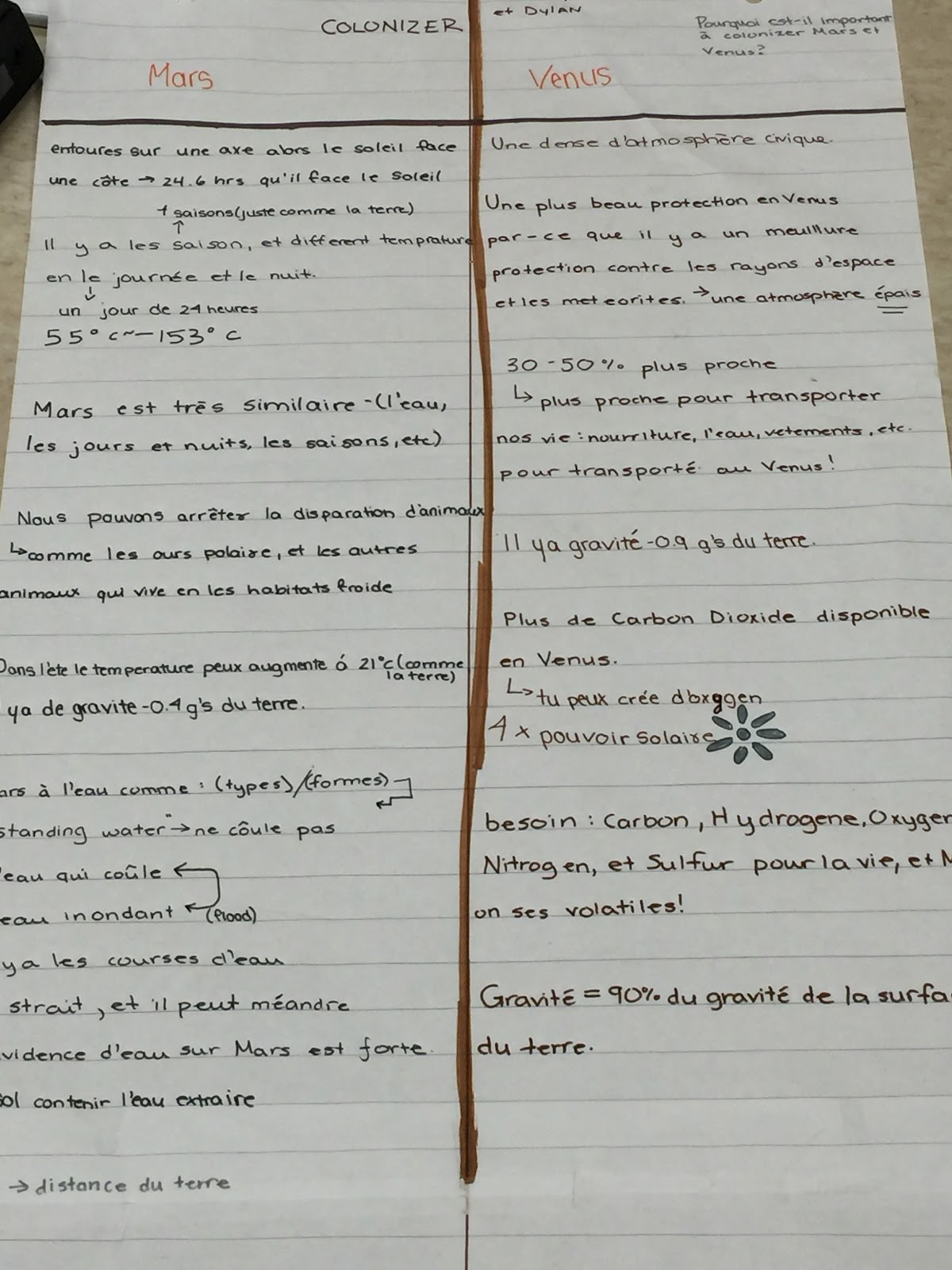
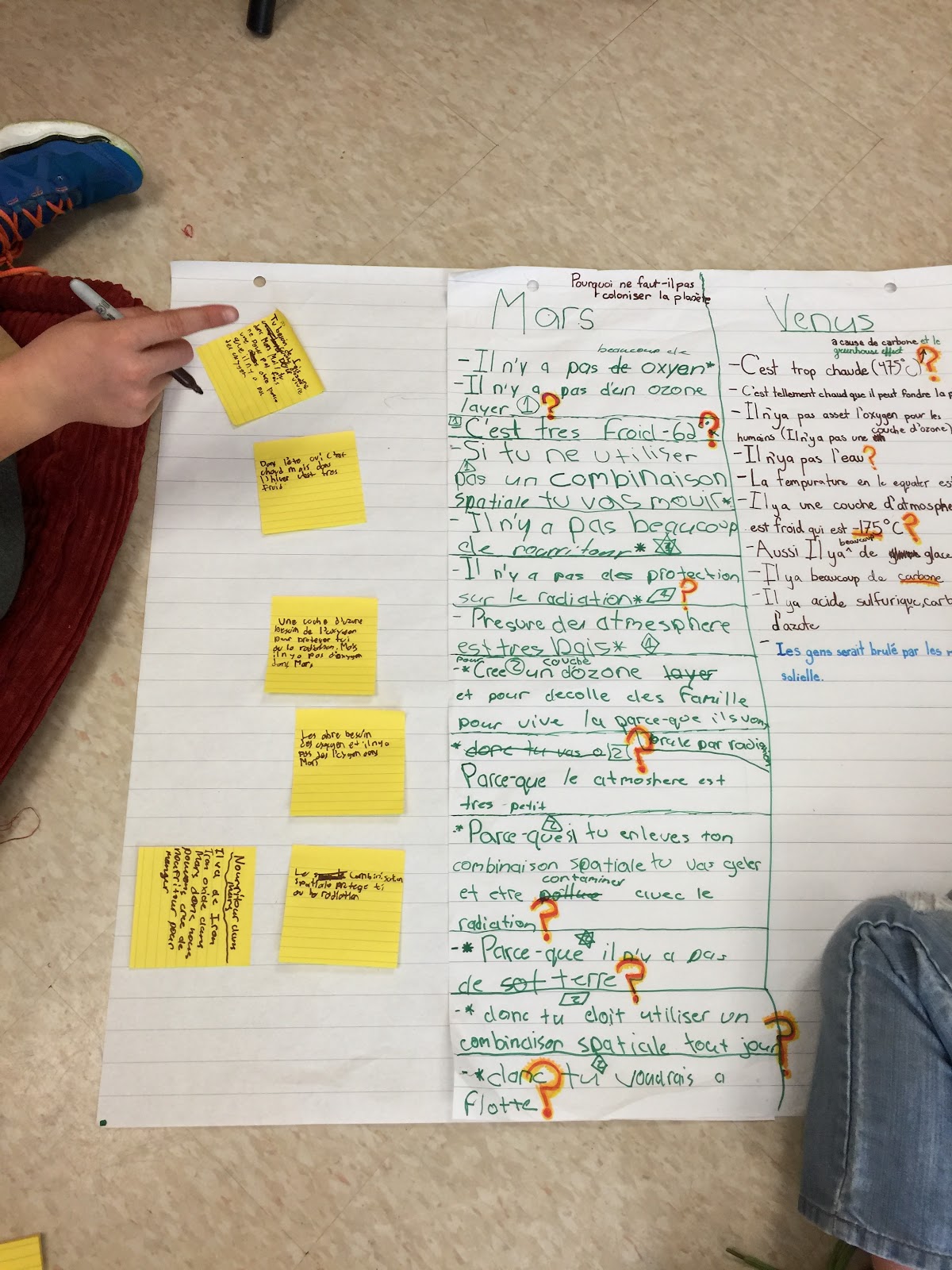
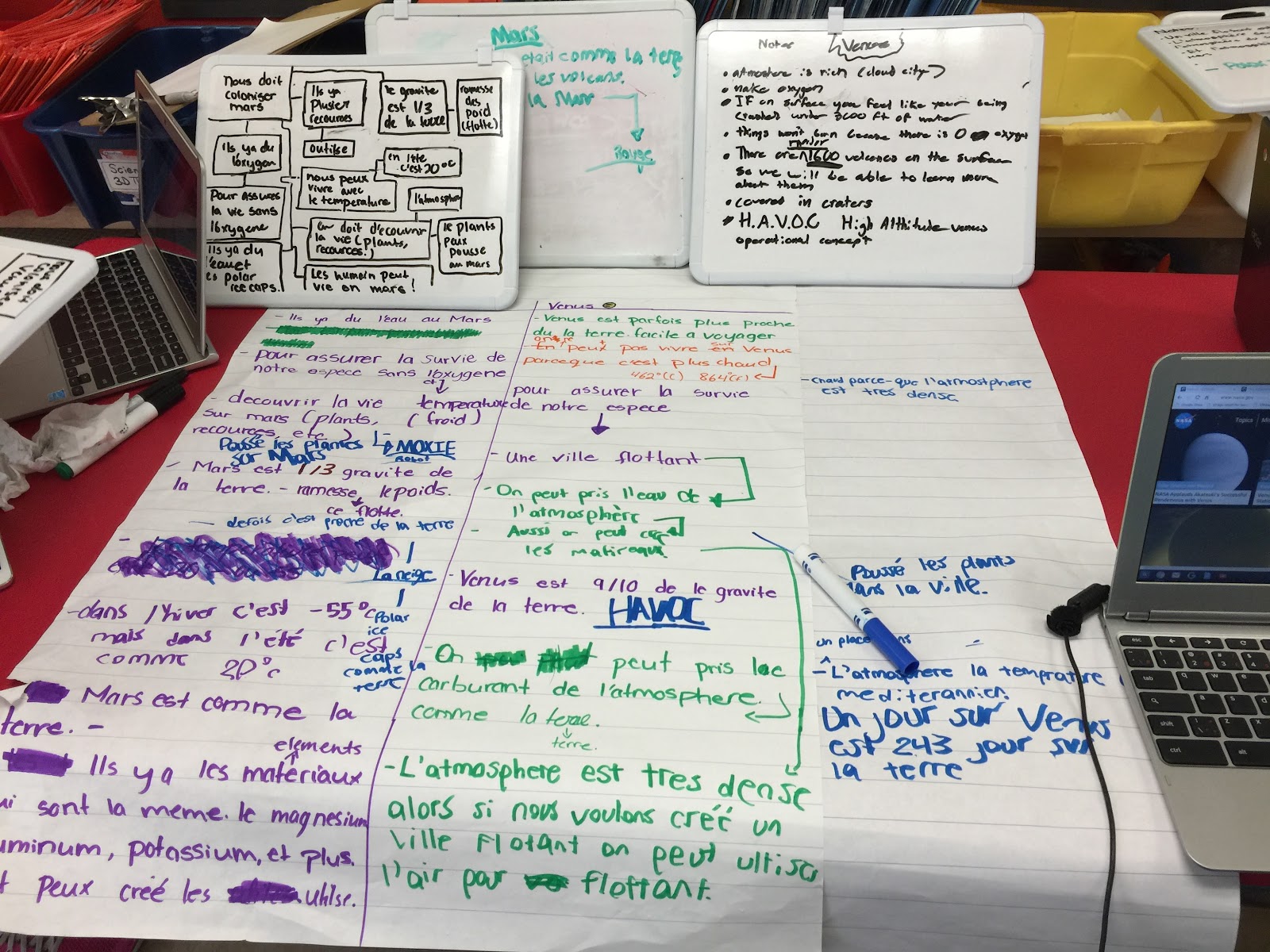
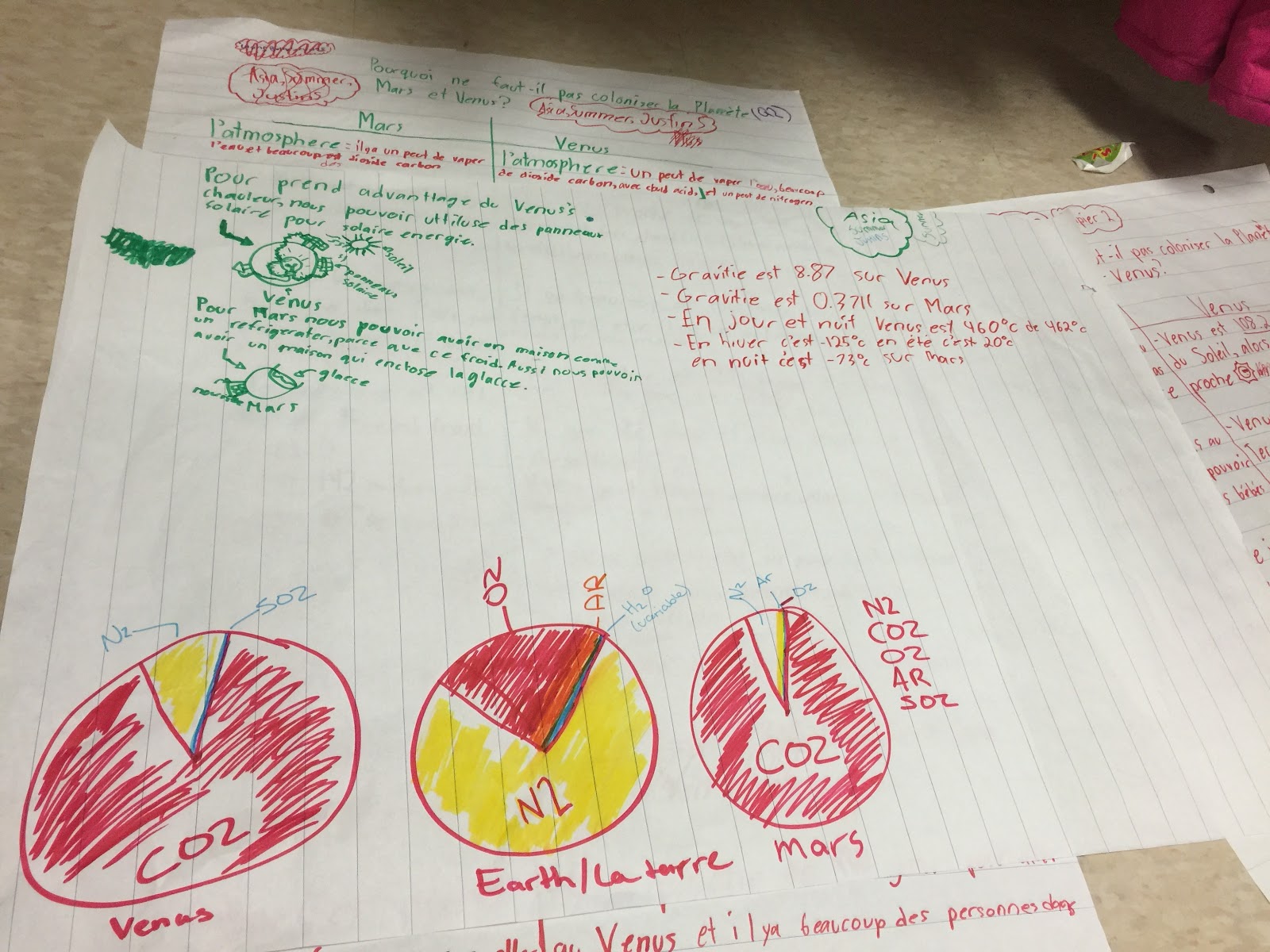
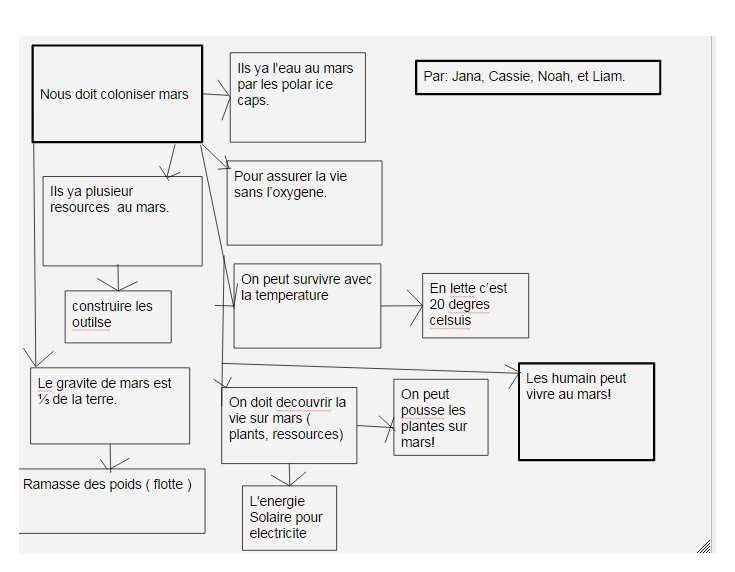
Our inquiry began with the Integrative Thinking process from I-Think Rotman School of the opposing models of colonizing or not colonizing Mars and Venus. This year the students embraced the Integrative Thinking process, the causal model and the Prop Pro models that enabled them to dive into complex issues and tensions that enriched and embraced the students learning skills. Through the Integrative Thinking process, the students interact to become creators of their own thoughts by collectively building ways of understanding.

The students were provoked with so many current events about space from NASA daily news, SpaceX achievements to Ted Talks about colonizing planets, Learning from Chris Hadfield videos and of course the ISS missions.

Throughout the process the students unpacked self lead inquiries about the planets and space as well as looking at multiple stakeholders for colonizing from citizens, scientists and governments.

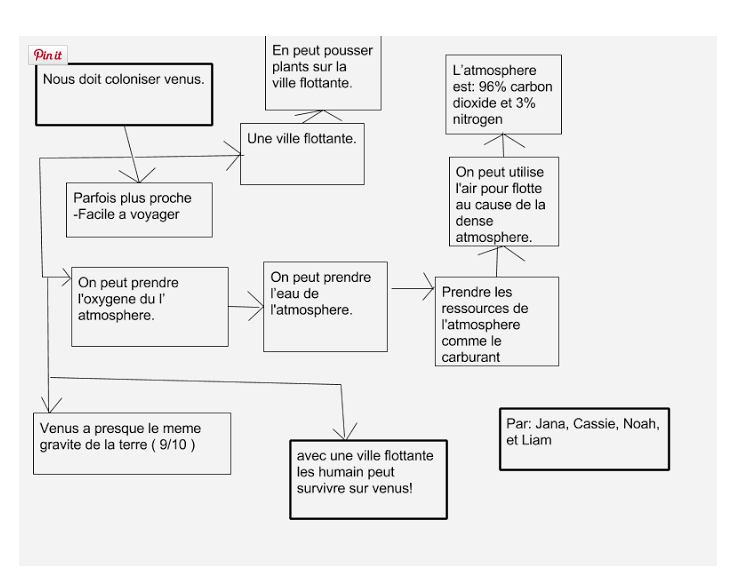
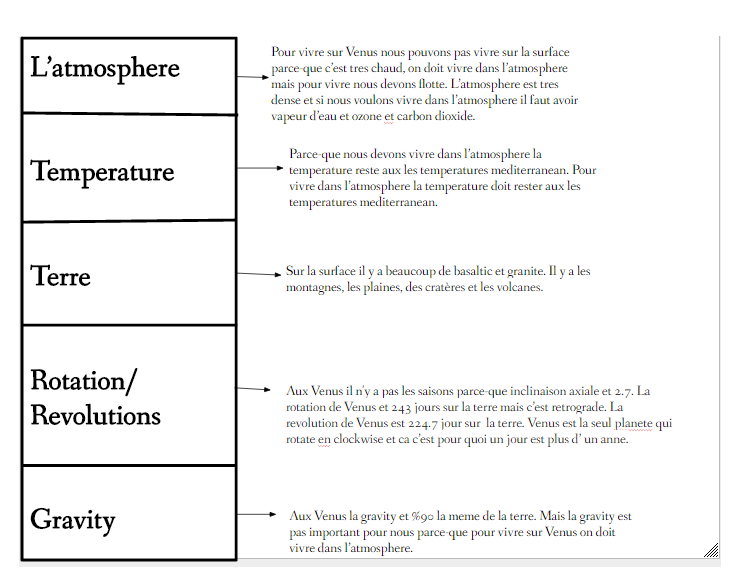
The students began by defining the compositions of the planet through the Pro Pro Model of colonizing or not colonizing Mars and Venus:


The students continued to persevere, problem solve and build knowledge by creating new ideas and articulating the models by focusing on the perspectives of citizens scientists and governments. Many students continued during recess by further thinking and problem solving their inquiries. 


This video is from a Periscope live broadcasting


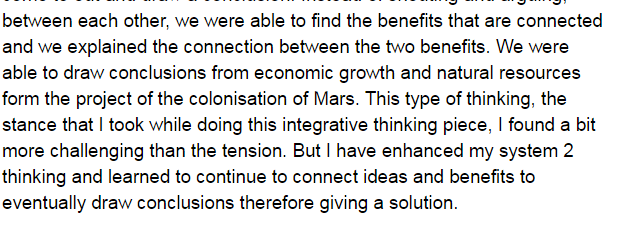
The Students reflected on the models by thinking about the benefits that are connected to colonizing and not colonizing the planets and described those connections. 
 

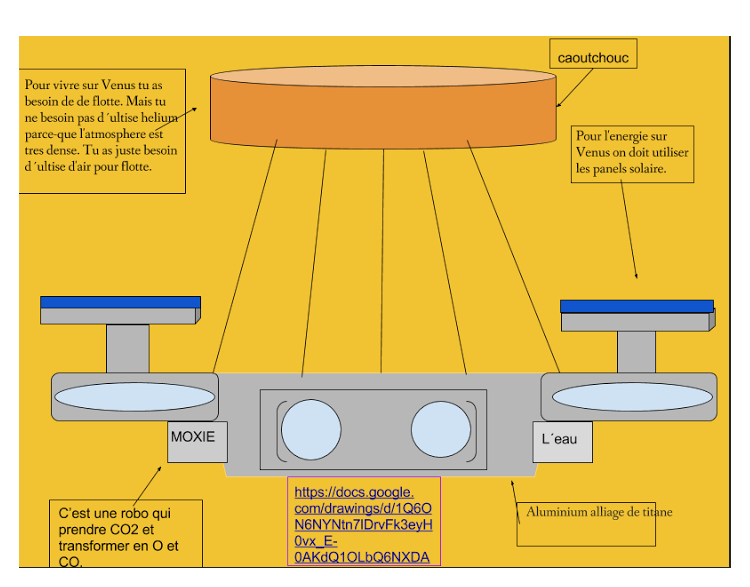
The students came to the understanding that economic growth and natural resources are always key for decision making in  colonising both worlds. Beginning a new world on the planets, where all countries agreed on the growth and development with no historical confrontations. The students proceeded by designing and imagining what the colonies would resemble on Venus and Mars.


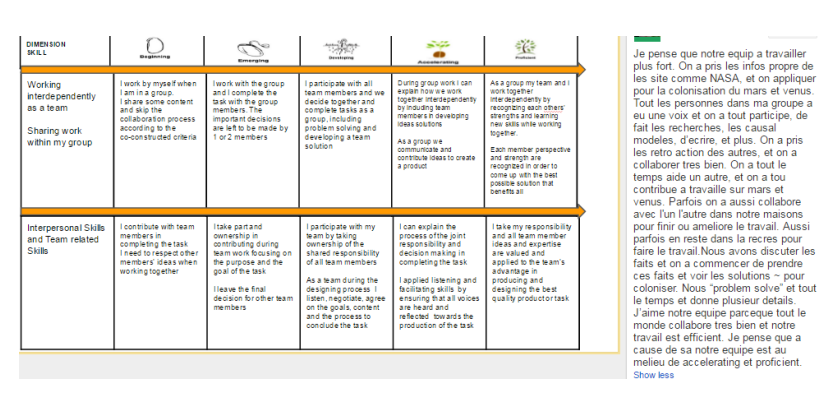
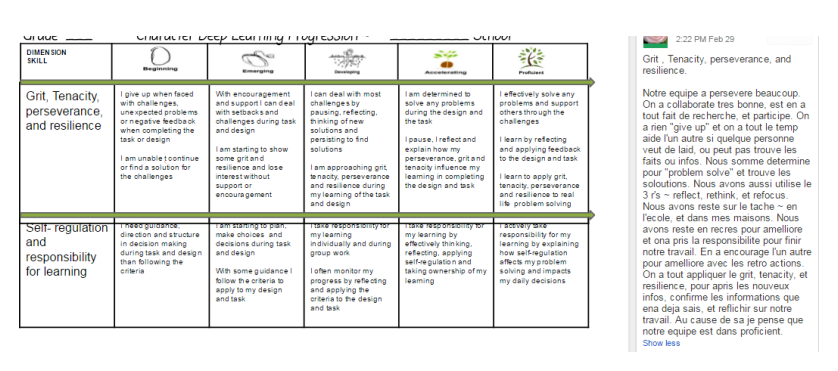
During the process the students continued reflecting on the competencies and certain dimensions.

Collaboratiom

Character


Critical Thinking


From the Integrative Thinking we moved on to the Design Thinking process on MinecraftEdu  imagining and creating the structures of Mars by keeping in mind the conditions on the planet.

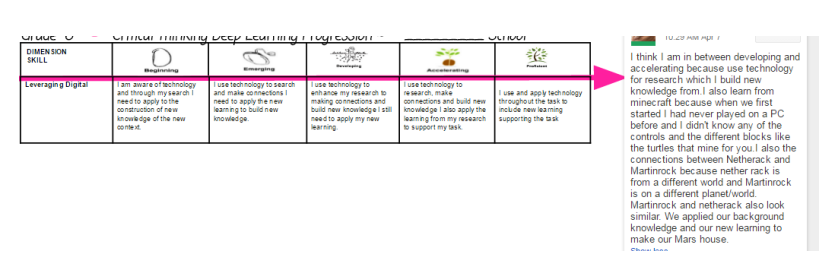
Again throughout the designing, creating  and planning process of Minecraft the students reflected on the skills that were being applied and acquired during the process.


We used free trial of Camtasia for students to capture their learning to explain how and the choice of blocks that they have used. This is an English version of a house structure on Mars.


Learning is not about teaching, it is about acquiring skills while students are experiencing and constructing their process of building knowledge, problem solving, creating and iterating ideas to design models in which they take full ownership of thinking and creating.

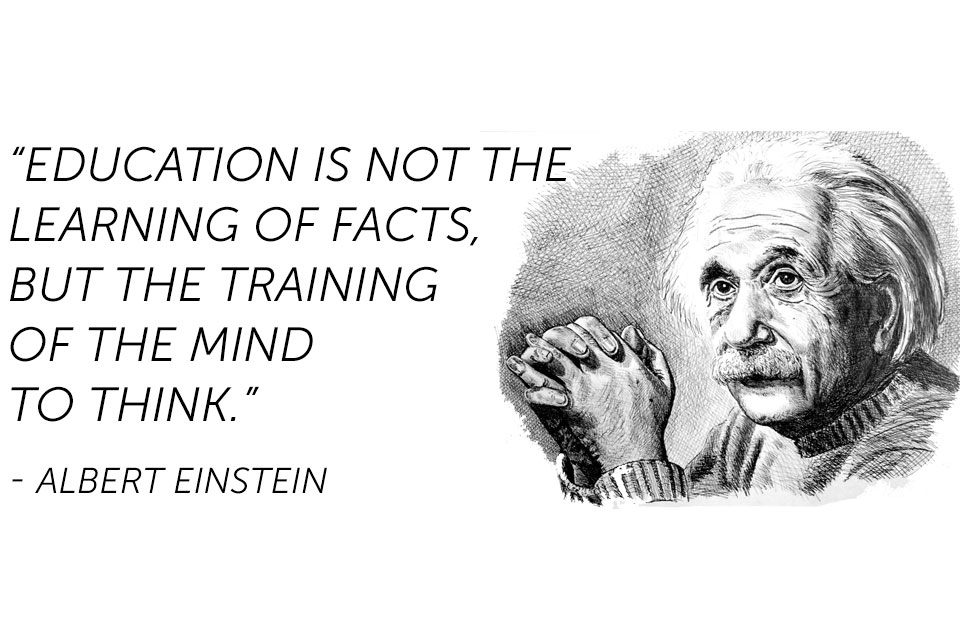
When students are crafting their learning it is not the learning of facts it is training each other to think through tensions of cognitive complexity.

Some questions to reflect on when students are crafting their learning:

How, as an educator am I giving them the chance to interact and develop skills and become the expertize of their own learning?

We are still looking for a professional feedback about our structures. I am hoping to contact CSA for feedback or if you know of anyone please let us know.

We found an astronomer through Virtual Research On Call to meet with students on-line and give feedback about the structures on Mars. Thanks to Ms. Pauline Barmby for taking the time and meeting with most of the groups. Each group was able to share, explain and take advice regarding the structures for colonisations in relation to Mars conditions.


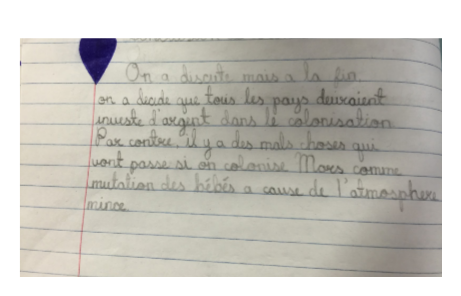
A student's reflection about the feedback of the structure on Mars. 

Wednesday, July 8, 2015

Is It purposeful Thinking For Learning?

I always get asked how do you get students thinking? If students are analyzing through reflections and feedback then they are thinking. The process of analyzing begins at the start of the year by allowing time for students to continuously reflect by breaking down information into parts and reasons.  Also allowing time and tools for students to speak and document what they have learned, how they have learned through self and peer assessment.

It involves many layers of co-constructed criteria starting with comparing and contrasting from background information or new learning. Students also immediately reflect on their learning and thinking. Analyzing through reflections allows students to become focused thinkers.

I will speak to the process from recent examples that we completed in June on Social Studies. Social studies is as engaging as Science or any other content. The Grade six students unpacked the curriculum through issues between Canada and international communities.The Grade 5 students were investigating issues with all three levels of governments from federal, provincial and municipal.

Of course having access to all Google apps (video notes, Snagit, Screencastify, Kaizena, CleanSave, Text Help Study Skills) and IOS apps (audioboom, Explain Everything) does affect the ability for students to analyze and express their thinking through tech tools. At the beginning of the year through various tasks students unpacked the purpose of technology for their learning. In my previous blogs I have shared many examples on analyzing.


Analyzing information online by using extensions and Add on like CleanSave and Text Help Study Skills.


Using Kaizena for peer feedback.

Students also shared their learning by using Green Screen and iMovie.  


Co-constructed criteria for the argument
Co-constructed criteria when analyzing classmates argument 

Students self assessment using screencastify for the choices of text and images representing his argument through Meme visual on Google Drawing . 


Videos demonstrating the process.


When students are analyzing:
  • They break down information into parts and reasons
  • They are problem solving by self questioning, which could further present with more inquiry and critical thinking. This process of questioning begins developing from the beginning of the year
  • The students are also thinking about their content and the main idea
  • All assumption could be confirmed or revised to explain
  • The students are thinking when self reflecting or self-analyzing
  • The students also understand their point of view of their reasoning and learning by explaining
  •  They are assessing colleagues work they are also knowledge building. they are comparing and contrasting against their own thinking
  • Learning is exciting and engaging and purposeful 
  • They are building empathy and understanding of a classmate's thinking
  • They are documenting and making learning visible
  • They are building confidence through the metacognitive loops of reflecting and giving feedback
When planning, I question what authentic purposeful learning should my students experience? It is important to give students choices of tasks based on the big ideas with clear co-constructed expectations. A daily ritual to keep in mind: Am I giving students time to reflect, consolidate as a team and give peer feedback?