Showing posts with label Designing Thinking. Show all posts

Monday, July 9, 2018

Cultivating Own Giftedness

I continue to be inspired by my students as we take risks and innovate together.  We evolve to change together while focusing on competencies based learning, risk-taking, personalizing inquiries, proceeding with uncertainties and embracing many challenges that lead us to learn thinking skills and transform our learning.

From September to January the students explored guided design thinking inquiries. Previous blog posts describe the process.  The purpose from February to June was for the students to independently lead and develop their design thinking inquiries on sustainable structures based on Global Goal #11 Sustainable Cities and Communities.

Goal 11 Sustainable Cities and Communities

The students innovated and created their design thinking process and entrepreneurial process. It is also the marriage of the curriculum on structures through personalized inquiries to develop competencies, leadership, and entrepreneurial creative mindset. Every team of students pursued their own leadership, responsibility for searching, creating sustainable purpose and partnership with experts or having an end user for feedback.

Learning is more than just exposure to content it is for students to arouse in their own inquiries. It is the independent connection of the curriculum with students skills and to cultivate their own giftedness and identify their self-development of their personal leadership when collaborating and finding out of what they are capable of doing.

I am sharing two classes that pursued sustainability on structures.  One class, I worked with two blocks a day and another class I saw once a day.

The learners who I saw twice a day decided to define their own sustainable structures.  The following self-lead inquiries were persevered by the students:
  • Three teams focused on the classroom flexible seating
  • A group on proper recycling of the school bins
  • Another on a scientific solution for decomposing and recycling plastics
  • Two students tackled a city problem of the Prince of Wales bridge
  • A team focused on electric cars for the city of Ottawa Police
Throughout the year and during the discovery about structures the students were provoked through current events locally and globally. This is so important to always open up the classroom to real local and global events. The presentation includes some samples of students process.


The learners who I saw only once a day for Science and Social Studies, all completed designing their own hydroponics structures for sustainability. The project developed from geography on natural resources and water with the problem in Cape Town disaster of zero water.  Thanks to the Ottawa Catholic School Board for enriching and personalizing teachers' learning by providing experiential learning fund. The Science department approved the funding for this project, all materials and electronics were covered.

The video captures the process from provoking to the designing.


More of the students evidence of the process from planning to the science and reflecting on the 6C's.


The process had many layers in which students guided their own decisions. Not only the design thinking process, also thinking models from Rotman I-Think like the Causal Model, the Pro Pro model and the Ladder of Inference to come up with better solutions or unpack the causes and factors as well as interpreting the collected evidence of the process and the data from the end user. The process is never linear, many teams ideated their ideas in order to be realistic for taking actions and creating prototypes. The following are the specifics of the process:
  • Defining the problem - Why is it important to pursue? 
  • Developing the empathy map- Who are they empathizing with, why and how meaningful is it?
  • Steps to achieve it-from research, to contacting experts, the necessary technology for use
  • Actions of how to achieve it, from determining the how and the time to achieve it, also getting feedback from an end user. 
The full planning process was student-driven, from the thinking strategies to the creation and feedback. Design thinking is about solving problems from defining and understanding the problems around the students. What really matters is allowing students to act on creative solutions like a designer with a purpose, inspiring and imagining new solutions by iterating what exists and solving how to make it applicable.

Having the students lead their own designing process is giving them the opportunity to be optimistic about creating for the future and that it is possible to implement change. The importance throughout the year and through their current experiences with designing is giving them the experience of not always getting it right the first time. This is critical thinking and creativity is giving students the space and ownership of always questioning, assessing and rethinking for learning. Why do we always supply the students with what we think they need than allowing them to explore? The students need to know why they need to learn and how could they approach the learning.

Learning is connecting through designing and creating. We should not leave a gap in taking action within the curriculum.  The students unpack their literacy, science, math and the arts when they are creating. As teachers, we are mentors at transferring the curriculum better. For the students to be successful we need to give them a chance to grow and be successful, not to get it right at the first time; that learning is prototyping. How many things could go wrong? That is important too! Not be fearful of mistakes when things don't work. Learning is about continually designing and not approving or disapproving, it is continuous. We need to move from the mindset of approving and disapproving and adapt to the mindset of being optimistic by implementing not to be perfect all the time.

How are we orienting continuous learning? How do we allow problems solving?
We have to carve the space to suspend the perfection and look for the feedback.

Our students tell us a lot about our teaching. We need to believe in ourselves and keep on trying. I always love students reflections throughout the year about our learning space. I have learned so much this year with the support from the leadership team and working with a great team of colleagues.

Are we constraining students from opportunities for creativity when we are just ensuring to just get through the curriculum and testing? How are they cultivating their own giftedness?

Monday, April 25, 2016

Students Crafting Their Learning


I finally found the time to reflect about the excitement and learning with the students on MinecraftEdu. The Ottawa Catholic School Board Learning Technology is piloting few licences of MinecraftEdu for next year and thanks for giving me the chance to to be part of the pilot project and it has been a learning journey with the students. Thanks to Learning Technology technician Matthew Murphy for his guidance with the set up.

In the past the students applied Minecraft to Social Studies on a classroom Minecraft account that I have purchased. They built a museum of  aboriginal peoples' adaptations to the environment.

It  has been a learning process that the students have embraced from the Integrative Thinking model to the Designing Thinking process for the mission to Mars.

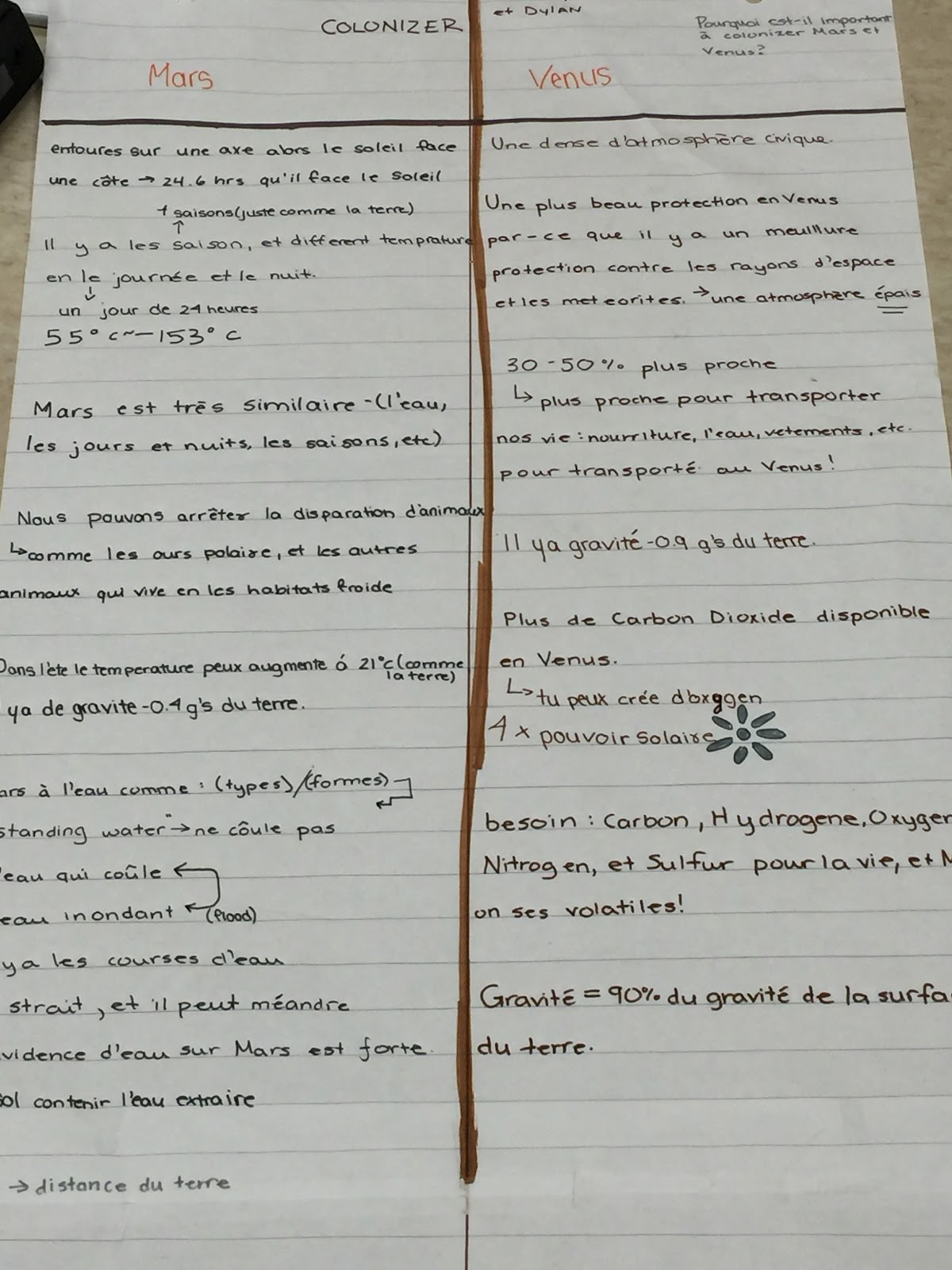
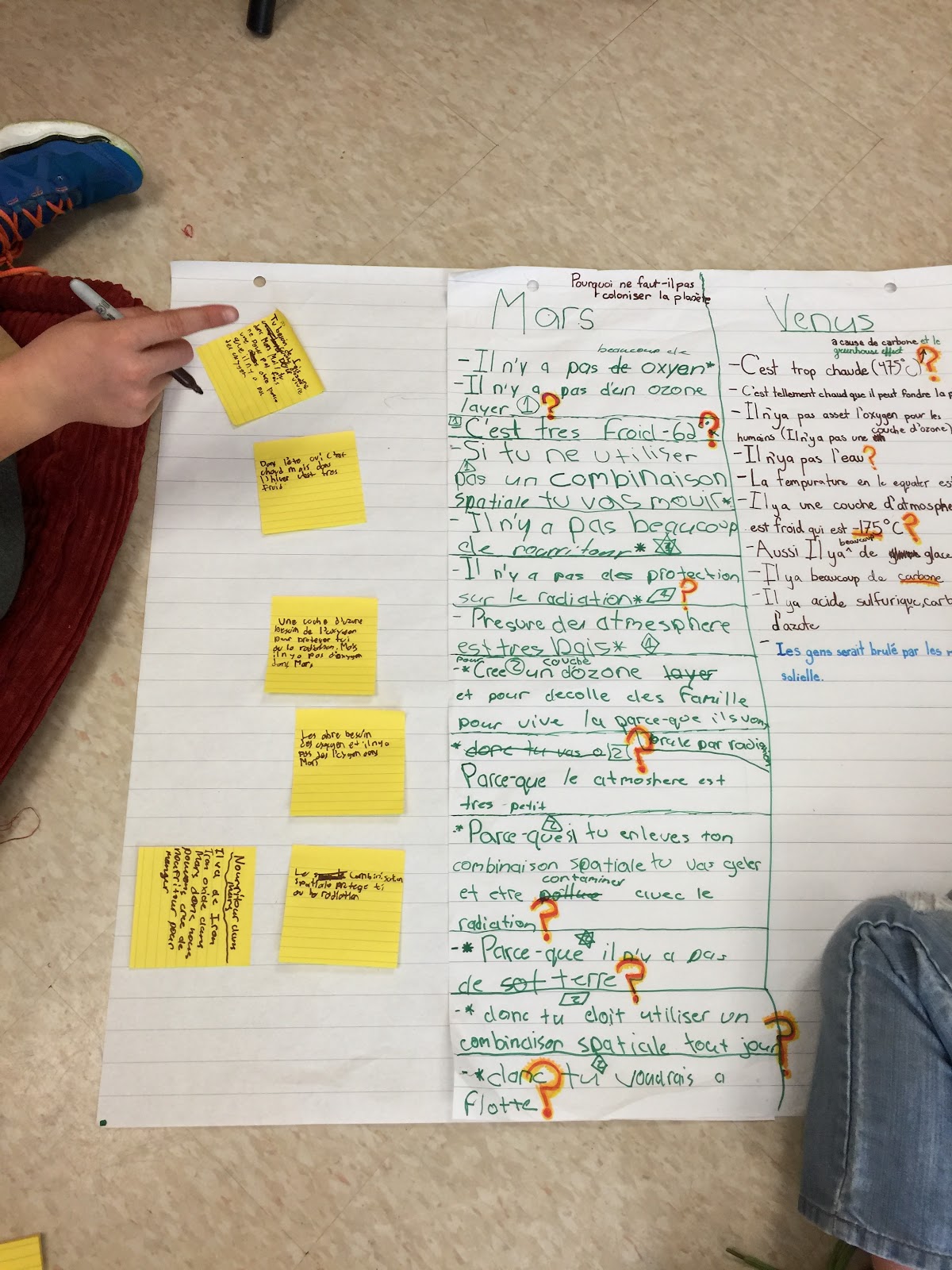
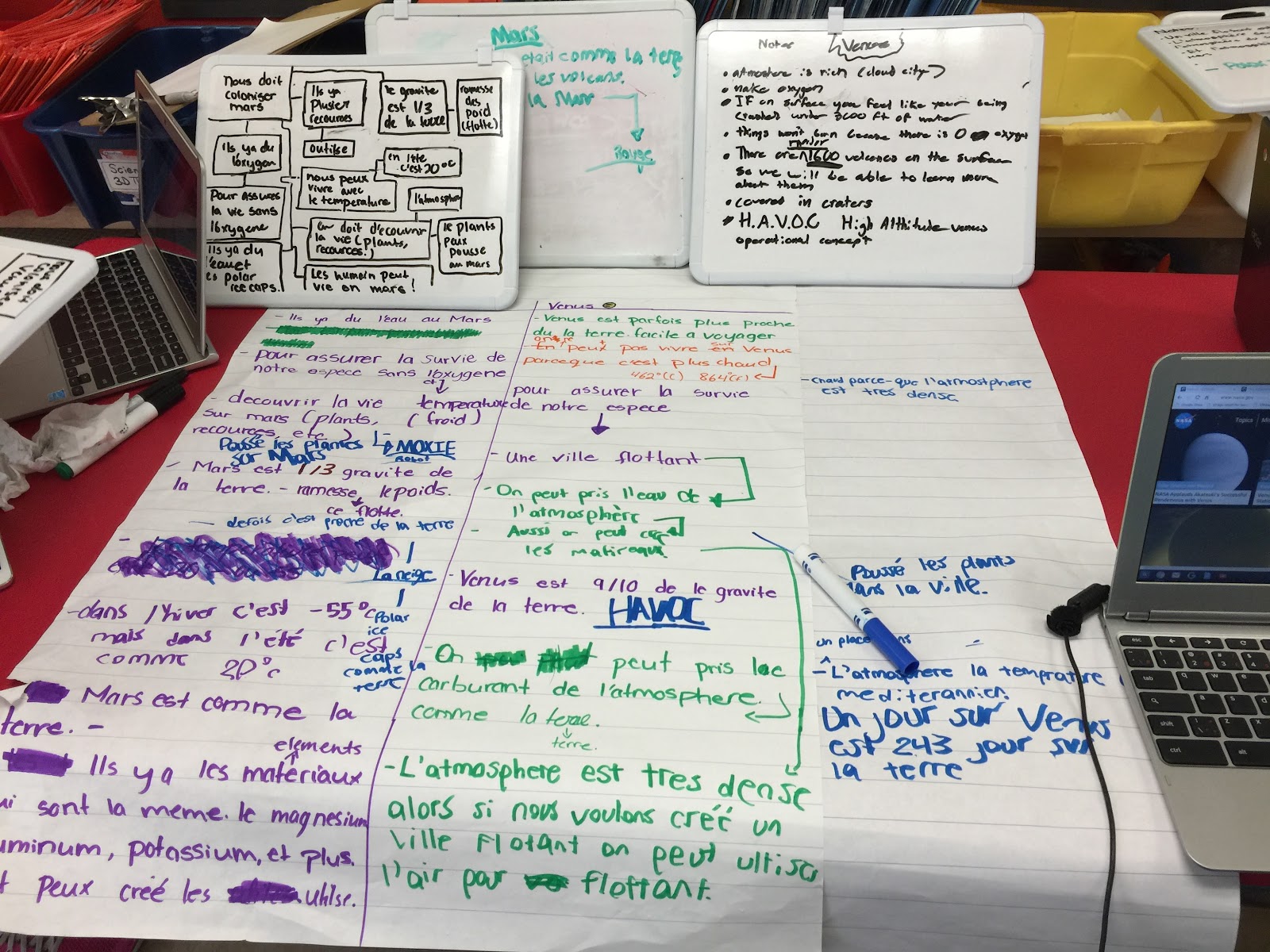
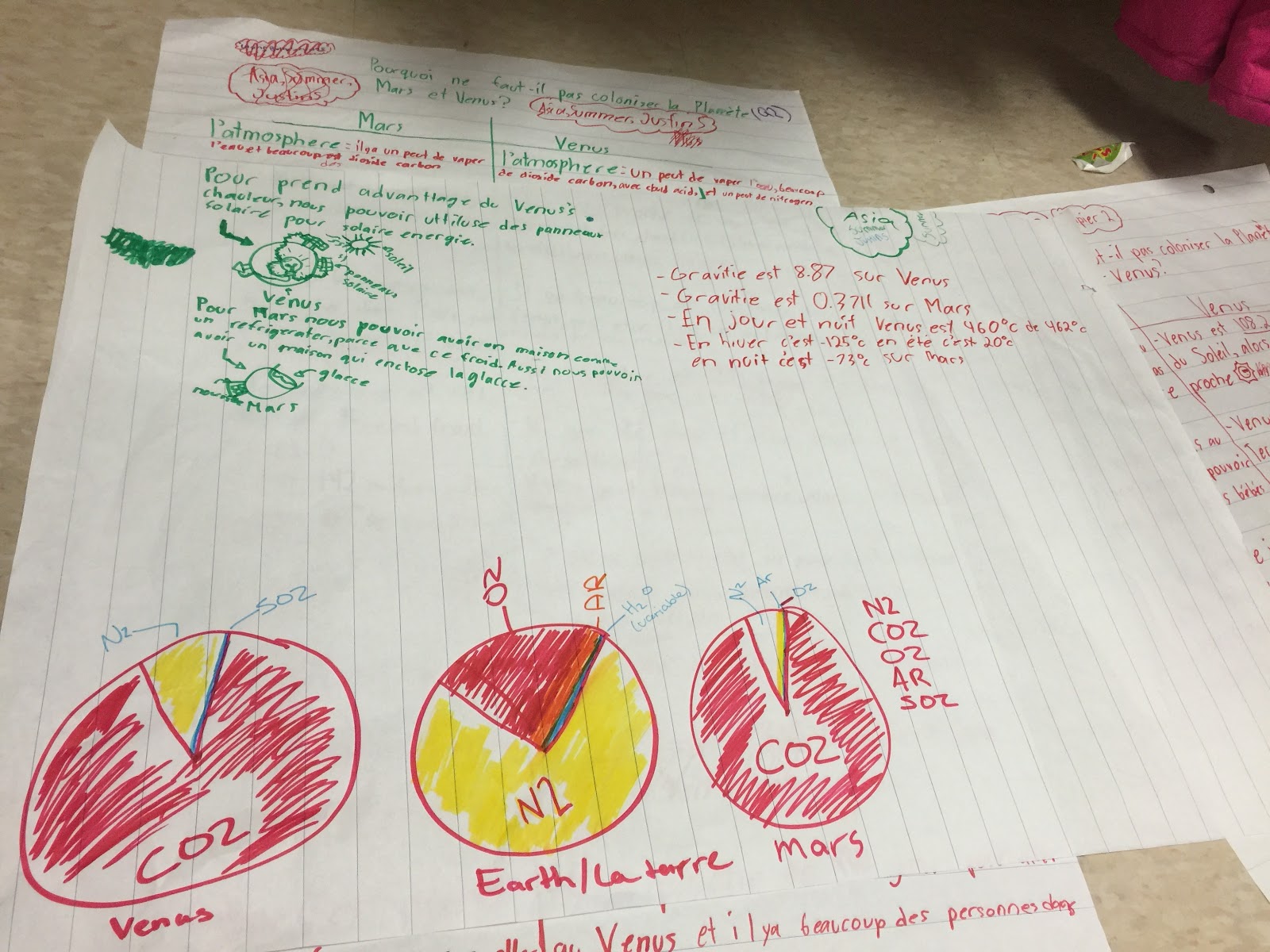
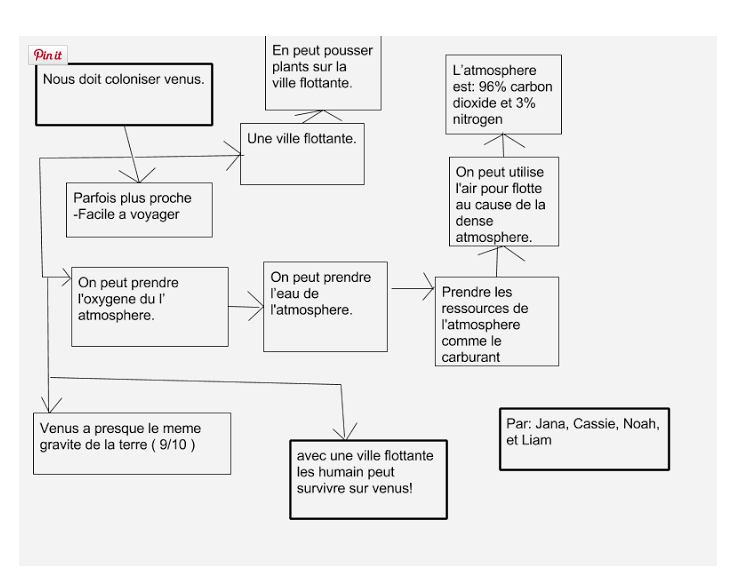
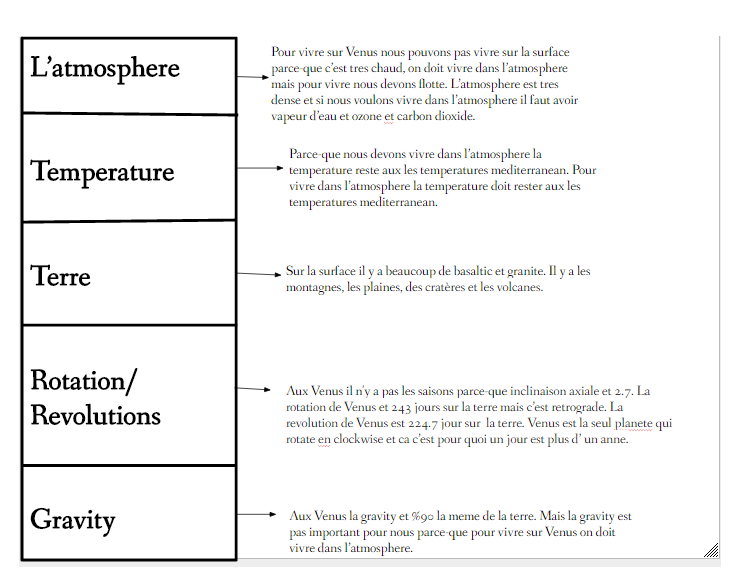
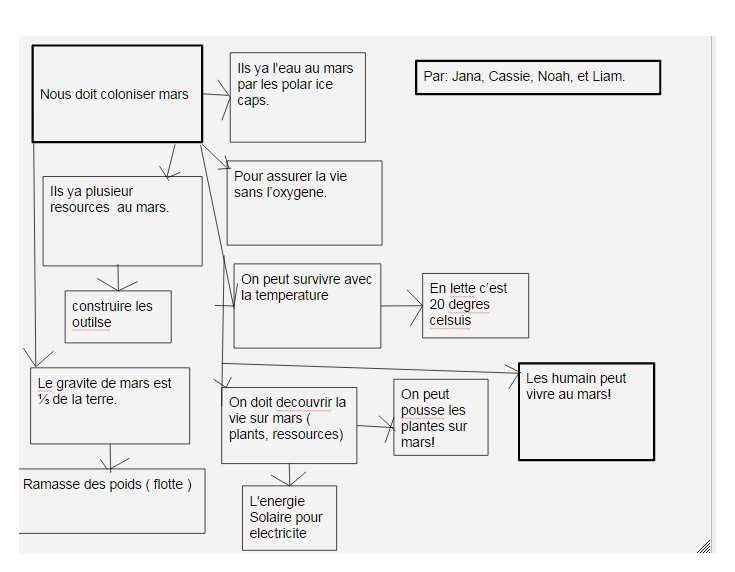
Our inquiry began with the Integrative Thinking process from I-Think Rotman School of the opposing models of colonizing or not colonizing Mars and Venus. This year the students embraced the Integrative Thinking process, the causal model and the Prop Pro models that enabled them to dive into complex issues and tensions that enriched and embraced the students learning skills. Through the Integrative Thinking process, the students interact to become creators of their own thoughts by collectively building ways of understanding.

The students were provoked with so many current events about space from NASA daily news, SpaceX achievements to Ted Talks about colonizing planets, Learning from Chris Hadfield videos and of course the ISS missions.

Throughout the process the students unpacked self lead inquiries about the planets and space as well as looking at multiple stakeholders for colonizing from citizens, scientists and governments.

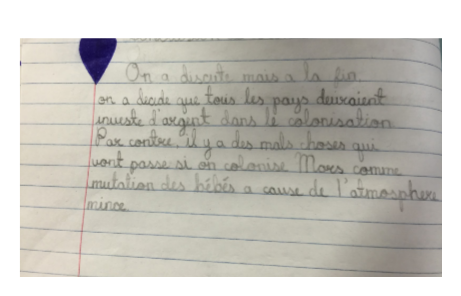
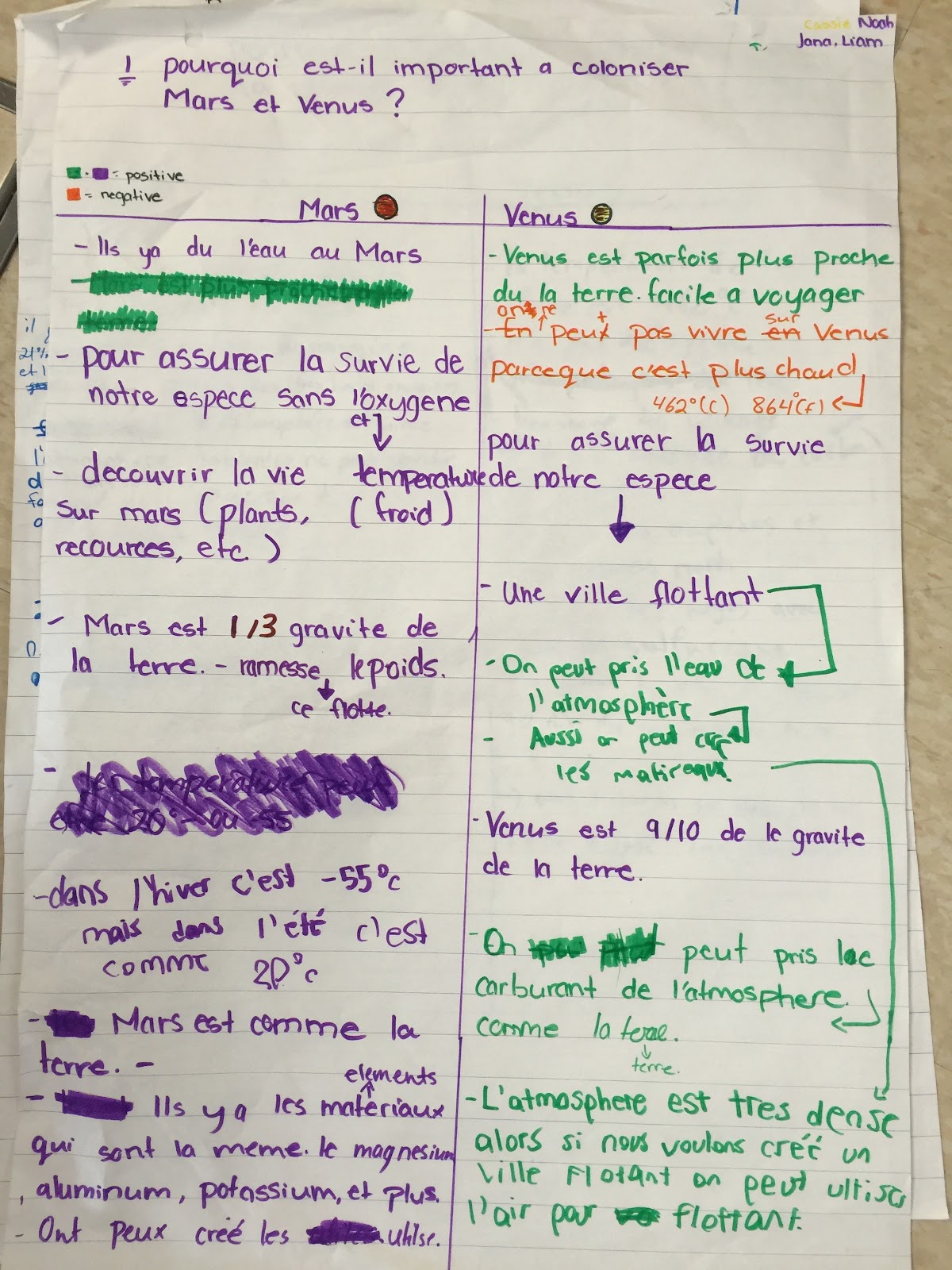
The students began by defining the compositions of the planet through the Pro Pro Model of colonizing or not colonizing Mars and Venus:


The students continued to persevere, problem solve and build knowledge by creating new ideas and articulating the models by focusing on the perspectives of citizens scientists and governments. Many students continued during recess by further thinking and problem solving their inquiries. 


This video is from a Periscope live broadcasting


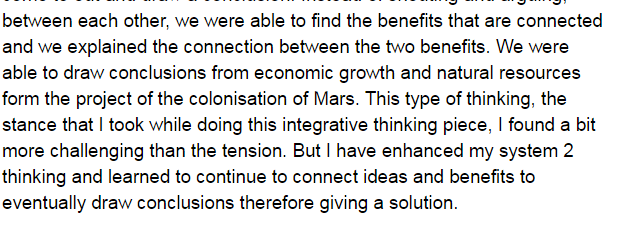
The Students reflected on the models by thinking about the benefits that are connected to colonizing and not colonizing the planets and described those connections. 
 

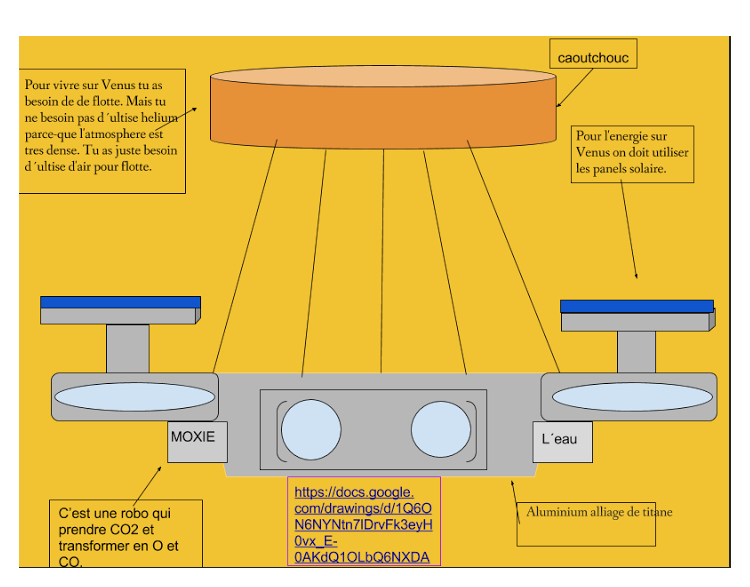
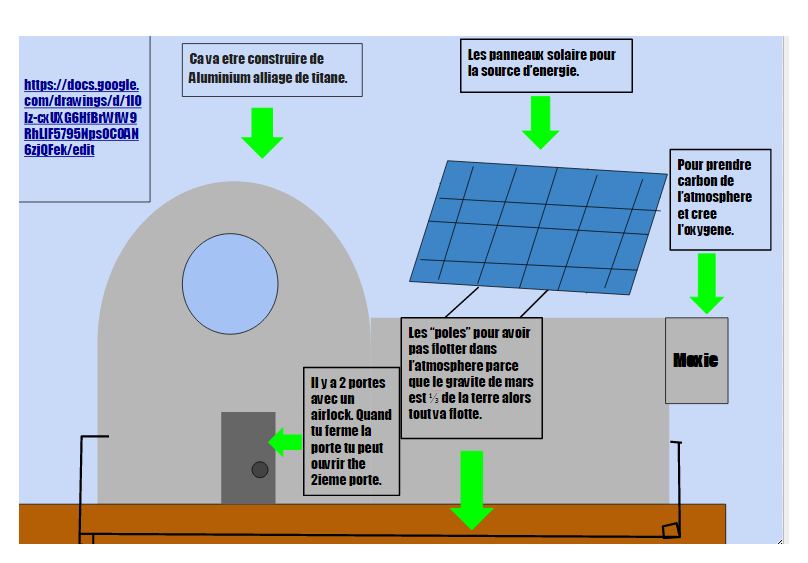
The students came to the understanding that economic growth and natural resources are always key for decision making in  colonising both worlds. Beginning a new world on the planets, where all countries agreed on the growth and development with no historical confrontations. The students proceeded by designing and imagining what the colonies would resemble on Venus and Mars.


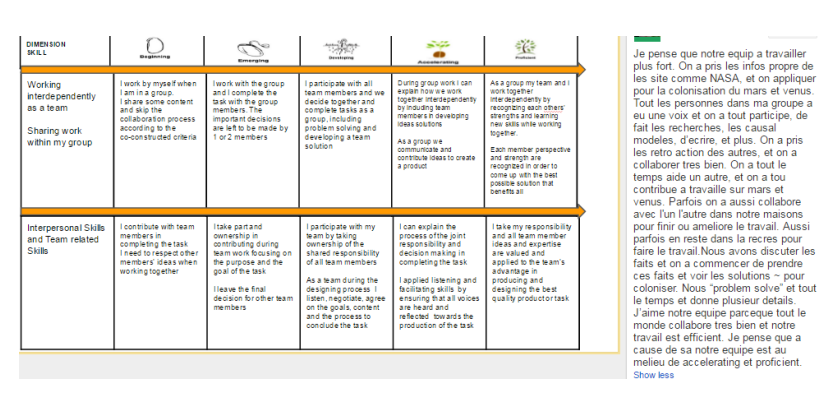
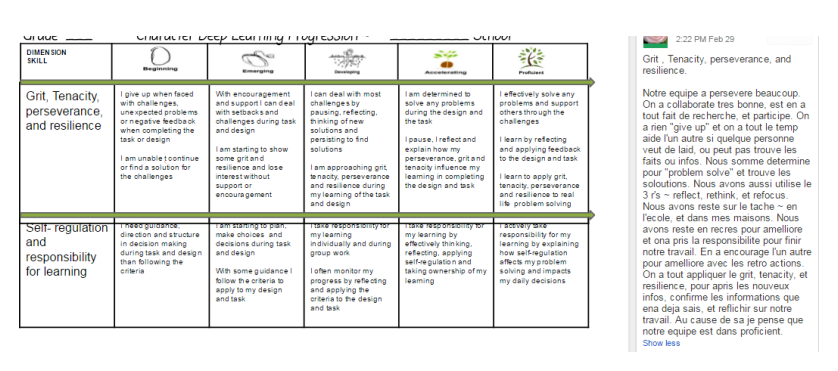
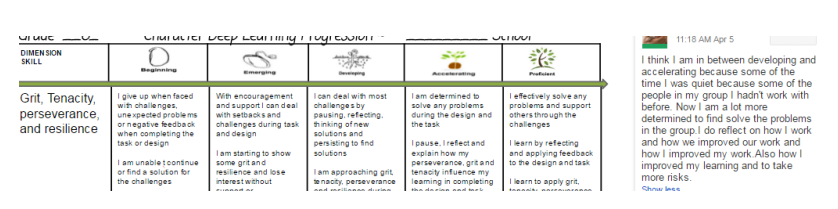
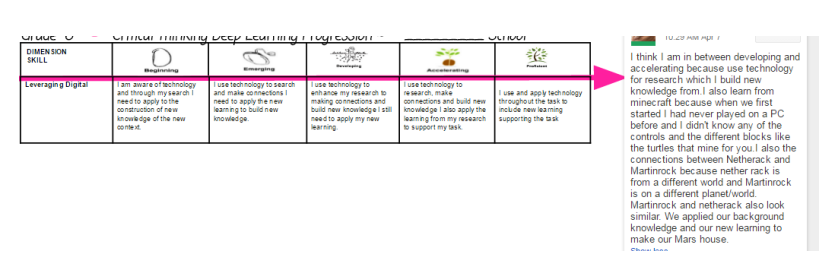
During the process the students continued reflecting on the competencies and certain dimensions.

Collaboratiom

Character


Critical Thinking


From the Integrative Thinking we moved on to the Design Thinking process on MinecraftEdu  imagining and creating the structures of Mars by keeping in mind the conditions on the planet.

Again throughout the designing, creating  and planning process of Minecraft the students reflected on the skills that were being applied and acquired during the process.


We used free trial of Camtasia for students to capture their learning to explain how and the choice of blocks that they have used. This is an English version of a house structure on Mars.


Learning is not about teaching, it is about acquiring skills while students are experiencing and constructing their process of building knowledge, problem solving, creating and iterating ideas to design models in which they take full ownership of thinking and creating.

When students are crafting their learning it is not the learning of facts it is training each other to think through tensions of cognitive complexity.

Some questions to reflect on when students are crafting their learning:

How, as an educator am I giving them the chance to interact and develop skills and become the expertize of their own learning?

We are still looking for a professional feedback about our structures. I am hoping to contact CSA for feedback or if you know of anyone please let us know.

We found an astronomer through Virtual Research On Call to meet with students on-line and give feedback about the structures on Mars. Thanks to Ms. Pauline Barmby for taking the time and meeting with most of the groups. Each group was able to share, explain and take advice regarding the structures for colonisations in relation to Mars conditions.


A student's reflection about the feedback of the structure on Mars. 

Wednesday, March 16, 2016

Designing With An Impact!

This blog focuses on promoting students voices and actions not only in the classroom as well as in their community.  Patricia Fiorino and I have a 3D printer through Teacher Learning and Leadership Program. The Grade 6 and the kindergarten students  have worked on projects together,  The 3D printing experience has been extended for Grade 6 students by applying their problem solving, collaboration  and creativity skills to passion projects.

To encourage the students' interactions through the school community, early in the year I approached our school resource teacher if the students could design and 3D print  objects that could be useful for the school's special needs students. The problems were presented to the Grade 6 students to design and use the 3D printer for passion projects not only for solving problems, also for serving the community.

The following videos represent the process from iteration of prototyping to the end users.

            The passion project for sequencing blocks.


The passion project for Math skills:

Video 1


Video 2


This link is A screencastify of Joshua explaining the changes on the numbers

Through this process of designing the students learned:
  • To value each others ideas 
  • To rely on each other to problem solve
  • To initiate and take matter themselves by coaching each other
  • To iterate many prototypes through feedback of end user
  • To take control in their own hands
  • To 3D design by monitoring area, ratio, volume, dimensions, coordinates on the plane and determining their next steps
  • To find solutions for the school community (more projects still to be completed)
  • To impact others in their community through a process of solving complex problems and that designing is full of iteration
  • To impact others by their innovations
  • To use the instruments of ideas and technology for a passion
  • To commit to a process of creating and orchestrating solutions in a large group task
  • To get feedback and insight from the users on next steps
  • To initiate innovation of intimacy of consuming time with users and unpacking what works and doesn't work
  • To engineer and think together as a process of research that is lead by them, a shift that is usually lead by adults
  • To accept diversity of thinking and abilities for designing 
  • To bring skills together from technology to multidisciplinary by building tensions of thinking 
  • To experience a process with many intensities for sharing ideas and challenges by getting great insights and solutions in a controlled chaos!

The students always empower me with their creativity,  perseverance and their drive to innovation.  Their drive and diverse thinking brought skills together from collaboration, creativity, critical thinking and communication with energy and motivation to create. The main concept that the students acquired through this ownership of designing process, is that designing is the iteration from technology to multidisciplinary thinking tensions that creates great insights for creative solutions.

The students independently became equipped with a way of problem solving and continuous exploration with the passion of iteration for success. They mapped their own challenges!
.
As educators how are we giving students experiences to connect and understand how to use their talent in serving their community?


Wednesday, December 30, 2015

Creative Complexities!

Giving students learning opportunities to grow and experiment with the learning process of complex ideas is the architecture of the why and how of problem solving. Our thinking is always provoked through current events from scientific inventions, social entrepreneurial to international, national and local political issues,

 Many events from September began unveiling from the United Nations Global Goals to world issues and national elections. I continue to explore and learn with my students by applying the thinking models from the Rotman School I think Initiative.: the Ladder of Inference, Visual Alphabet, Open Ended Conversations, Pro- Pro model, System Thinking and Causal Model. Keeping in mind the academic commitments to all curriculum concepts, we engage through cross disciplinary and many tools, we began exploring the thinking process through the causal model.

The students and I began exploring the causal model by referring to our classroom experiences of speaking French; Grade 6 students are motivated to be bilingual...


We continue to learn together and experiment. Thanks to Nogah Kornberg (from Rotman School) who has been my learning partner after school and even late nights for consulting about the thinking process since September. We also had an opportunity of working with Nogah live through Google Hangout on the causal model with a group of students.

Below are samples of the causal model on terrorism:


The focus of the Grade 6 Social Studies is Canada's Interactions with the Global Community. The concept of  disciplinary thinking across subjects are causes and consequences of politics. The students began their inquiry by using the arts to search and learn more about their chosen global goal UN Sustainable Global Goals. We were fortunate to follow the development on twitter and had a chance to speak online with the COP21 Youth delegation about indigenous representation of Canada.  

Through the arts, the thinking process was to focus on visual literacy to portray the facts and communicate the purpose of the goal: to see, to describe, to analyze and to interpret through the elements and the principles of visual arts. The visual literacy enabled students to research and understand the facts in relation to the developed and developing countries. 


Students individually built a causal model to continue exploring the causes of their goal from developing and developed countries.  


To construct knowledge of the Global Goals students combined the goals while creating team causal models. Each causal began with a statement: the consumption of resources, problems of poverty from around the world, living in poverty, to stop poverty by 2030. 


I tried capturing some students' conversations during the causal model discussions of the Global Goals. 


This architecture of learning through the causal model developed the critical thinking and communication skills of the students.

Critical thinking: interpreting, analyzing, synthesizing and evaluating information while making meaningful connections to the issues and the facts of the goals, and collaborative meaningful knowledge construction. 

The students' communication skills were also developing during the discussions by connecting the facts of the goals during the group causal model: explaining clearly, considering multiple and diverse thinking, communicating in detail in order to understand contexts. While communicating the students were analyzing, synthesizing their thinking together building on what they know and new meaning together through these discussions. The process of communication was not based on judgement of each others perspectives, rather it was based on unpacking thinking from each other.

Below are some audios captured by students connecting the causes of their goals. As we continue exploring with the causal model we will be recording the conversations during the designing process of the model. 


Coding was part of the process by using Scratch to create the targets for sustainability by 2030 .


The students also implemented green screen to capture the full process about the sustainability of each goal.


Technology integration is used to amplify the thinking process and demonstrate learning in multiple ways, valuing and empowering the pedagogical process.

Through designing thinking, students' motivation is authentic in breaking down the thinking process. The students are advocating, innovating and problem solving throughout the causal model. They take ownership of scaffolding complex skills. The 6 C's of New Pedagogy for Deep Learning Competencies are amplified throughout the process: Communication, Critical Thinking, Collaboration, Character, Creativity and Citizenship,

I should have blogged while we unpacked the learning together. The students have reflected and documented the process that I will be sharing with their permission in the New Year. Since we already know that learning is messy and embracing the process by reflecting and iterating with the students then we don't shy away from complexity and maximize our learning together.

As we learn we continue to reflect on the process of learning,we ask ourselves:
  • Are students creating their own questions for the passion of learning?
  • Are students focusing on thinking?
  • Are students taking control of their thinking?
  • How are students reasoning complex problems?

Monday, October 12, 2015

Creativity and Students' Thinking!

How do you get students to think for themselves?

As I continue to explore integrative thinking strategies through problem solving, the students are continuously reapplying thinking strategies while learning new ones.

The Grade 6 team and the students are pursuing Free The Children campaigns of We Scare Hunger and We create Change.

The students have incorporated Scratch to describe their commitments to the 4 campaigns. From the Imagination Foundation, we signed up to incorporate Caine's Arcade games with our passion and empathy project to science.  Our #cardbaordchallenge will take place on the week of 19th to the 23rd, due to the Thanksgiving long weekend. We will be holding a day for the school and another day for the neighborhood community.

As mentioned in the previous blog on provoking students' drive to be passionate innovators and introducing them to tools to think not to do the thinking for them. The focus is on integrative thinking and  NPDL competencies that are character, collaboration and creativity. We are reflecting on some of the dimensions in each competency and relating it to the integrative thinking strategies.

Starting with online unique and creative products from young students, we co-constructed the criteria of what is creativity as described in former post.

This blog post focuses on how students examine two designs and combine designs to come up with one. We are combining the individually designed cardboard games and combining both creative ideas to come up with one game.

We began by experimental thinking strategies by exploring the value of a creative and unique idea and the logic with two creative products competing models.

I presented the students with this image of both cups models that we are already familiar with.


This video details the process


During the process students reapplied and reinforced the thinking strategy of  open ended conversations. The purpose of this process was to apply the thinking into action:
  • To identify two different ideas or creative products
  • To define the benefits of each product
  • To analyze the possibilities of combining these models  
  • To apply the benefits of both models
  • To create an new product combining both models 
Each student has already designed on Google drawing their own vision of their arcade game based on the concept of circuits and switches that they have been exploring in science. Before the students applied the thinking integrative process of combining their own individual game in one, We further shared possibilities of circuits and switches, pressure switch, pull switch and open and closed switches using copper tape, and conductive thread.

Before the students sat together to apply open ended conversation, we focused on these possibilities:

  • Making connections between the 2 options
  • The points of tension between the conversations
  • How could one game be created from 2 ideas?
  • The benefits of the 2 games to generate one game.


These Drawing are examples of combining both ideas to create one game


This week students will continue to create the prototype of the combined ideas that was generated benefitting both. They will reflect and transfer the knowledge of problem solving and understanding of the application of the knowledge to a structure/game.

The students will also reflect on this transformation of integrative thinking and monitor their progress by focusing on the dimension of the competencies of collaboration, creativity and character from NPDL.

This shared ownership will be transformed into action by also inviting an export an electrical engineer for feedback.

As I continue learning with my students I also need to focus on: 

  • How do I develop a mindset of thinking that suits  the specific task and the stages of learning? 
  • Which skills sets or competencies and tools that help develop the thinking process? 
  • Am I giving students opportunities to translate their thinking into actions? 
  • How do students become divergent thinkers through the curriculum?