Showing posts with label Thinking Skills. Show all posts

Sunday, November 6, 2016

Every Day Is Unique

There are so many challenging approaches to consider when we are thinking about education. For student-centered learning approaches the needs to be innovative, creative, critical thinkers, designers, deep learners, reaching  personalized learning, empathy, and many important skills are required. There are many views and experiences that educators, parents, and administrators face reaching these approaches.

How do we facilitate these purposes? How do we get students to experience these purposes?

I am by all means not an expert and my learning continues to be enriched from my students, my colleagues at school at the board, from the community whom I learn with and of course online learning.  Every day is unique for me and my students as we reflect, refocus, rethink, retry and unlearn to relearn.

My years of teaching experiences locally, nationally and internationally have guided me in making connections about the process of risk taking and learning with the students.

Many unpublished posts since September and spending October learning with many educators from the Makers Faire, EdInnovation, Ontario Makers and Mentors Innovation, many questions from participants and daily experiences with my students have energized me to write this post.

Every day is filled with unique challenges and these challenges drive our learning and our students’ learning experiences.

This year is a different experience for me. In previous years I have taught students for two or three consecutive years. Meeting my new experts this year and working together to learn compassion empathy and valuing thinking have been unique daily experiences. Learning is a process and we all know that it is not linear and it loops with many challenges that make us reflective researchers and learners.


I am following an advice from a friend by keeping my posts brief.  I just captured few slides that highlight the beginning of the year from 3 different thinking processes that I shared during EdInnovation Oct 22nd and 23rd.


The year begins by building a culture of reflectors, collaborative communicators, critical thinkers, creative learners whom together identify their intrapersonal character to connect a community of respect for themselves and others through interpersonal values of ideas.

Through many learning experiences which I will share in details from students in later posts, we continue to explore the unlearning for relearning and valuing the how and why of skills . It could be from walking into the classroom to content, concepts of learning as well as critical and creative thinking skills throughout the day. I have learned when reflecting and consolidating with the students to highlight the needs of unlearning to determine what we need to relearn. This lead to focusing on the value and the purpose of the how and why. The Backward Brain Bicycle is the video that the students always refer to when we unpack the unlearning.


This is important because our brains are always set in making judgements based on assumptions and predictions than unpacking the purpose and retrying with the focus on the mindset.  This is the learning through habits by recognising the unlearning.  It is a shift of mindset that requires for students to build new skills, to value and understand the learning process based on their individual needs.

It is a process of ongoing long-term goals of discomfort for learning growth. The students to become more comfortable with risk taking and tensions during learning. Being aware that habits of an unlearning are very important to explore and reflect upon in order to pursue the innovator's growth mindset by celebrating successes from failures. Basically, it is to continuously take the time, to improve through risk taking, reflect and identify  the unlearning, recognise and determine the effort of the unlearning for a growth of learning.

This growth also affects the classroom community culture and opens up students' minds by refocusing, reflecting and identifying their individual growth.  The insecurities and the overwhelming become part of our classroom valuable culture of empathising with each other as we all recognise individual risks. It is a long process to allow this mindset!


A growth mindset is more than just positive conversations; it is identifying the habits and developing a critical mindset of skills to unlearn for deeper learning.  It is giving students the skills to develop their learning. Giving them a voice to unpack their learning and become confident reflectors.


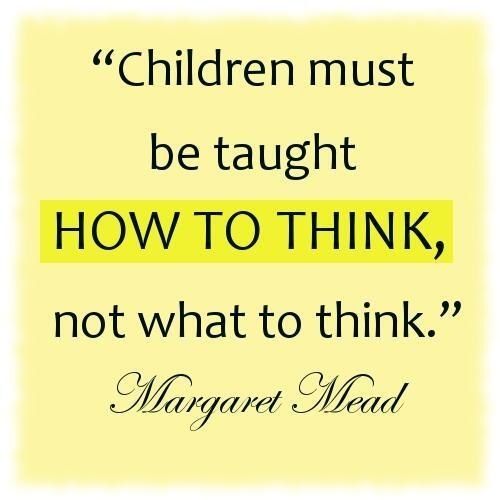
These quotes are so true:

“Teach students how to solve any problem, a general problem-solving approach. And teach them to do it in a community.” "That’s what’s really going to serve them as they go through life." Alan November

3f01c4205da368e122e39843bc365105.jpg

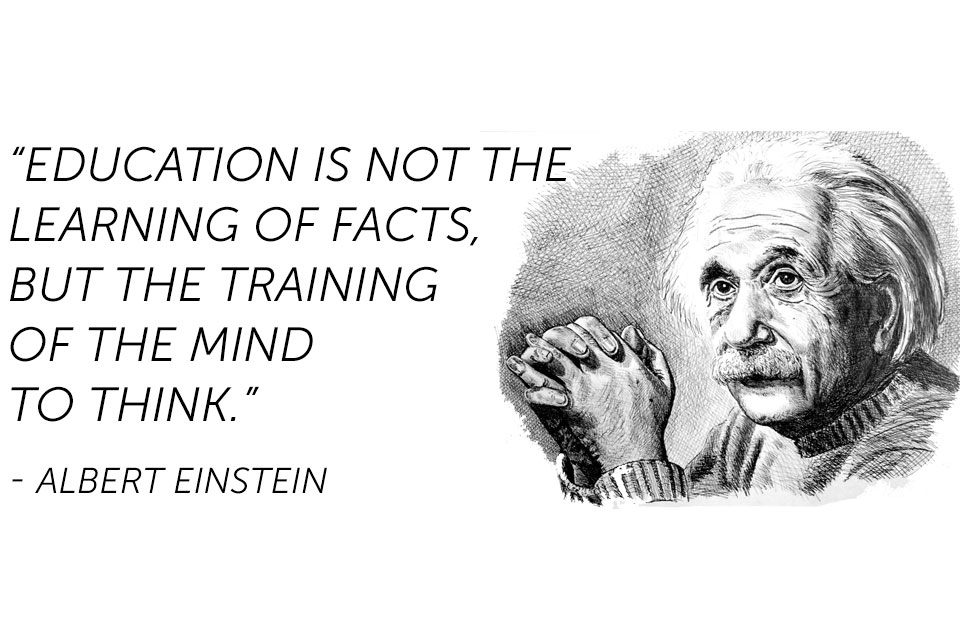
All students are capable of thinking and learning. We need to encourage the students to achieve a culture that learning is thinking, valuing others ideas, recognising tensions, risk taking and pausing to reflect and make habits of recognising the unlearning for relearning or learning.  


Have you risked the unlearning with your students? What unlearning have you done as an educator to achieve learning with your students?  Every child is a learner, am I giving them the time to discover and reflect on their learning? Every day is unique, what matters is, how are we recognising the uniqueness of changing our thinking and mindset? How students are recognising their mindsets in learning situations?

einstein-quote.jpg

Sunday, October 4, 2015

So What Is Creativity?

I am still pushing my thinking forward when students are in the role of designers. As educators we read a lot, we connect online and face to face. I need to learn and move forward with my students' thinking and their ability to decipher the process through them than just through what I know. I needed to question more and listen more as well as reflect with them. My students are my partners in moving my learning forward!

As we continue to unpack the process of the skills through daily applications of learning tasks, We consolidate and reflect for determining next steps about what is making through: coding, 3D printing, robotics, designing, of course including concepts from science, the arts and math when designing. This blog will reflect on our present learning process.

As I embark on this journey with my former students.  This is important, when we are unpacking strategies we are not only referring to the present, we are also reflecting on last year's experiences. We are connecting what we are already know and unpacking the thinking.

The students already highlighted that creativity:

  • Is designing with tools like craft materials and tech tools
  • It takes perseverance and growth mindset (Grit)
  • Imagination
  • Suggestions
  • Causes
  • Brainstorming and using strategies with colleagues for unpacking ideas
  • It is critical thinking as problem solving
  • Ideas
  • Collaboration
  • Communication
  • Repeat, improve and retry
The students are excited about printing objects with the 3D printer this year. We are beginning to reflect on the causes and passion projects for the use of the printer and how can we be empathetic with the tools and make a change to someone else not just for ourselves?

All Grade 6 students will participate with the cardboard challenge and will apply the concept of circuits to their games and coding, also fundraising for Play For Change for Free The children.

I have shared with the students the following image to reflect about the process and the journey of the process. 


We reviewed some examples from last year about empathy and creativity as well as some new ones:


Ipad Keyguard shared by Nancy Khalil


This is our second week at unpacking the process of creativity with empathy. We are starting our passion project with our school community. From our resource teachers for our special needs students, one class is designing sequenced puzzle pieces that could be reused and the other class is designing sequenced numbers grooved puzzles. Of course the students began with their own visual and continue to apply communication skills, solving problem strategies including mathematics with the prototype and designing on Tinkercad for 3D printing. 


The key to guiding our learning is our daily consolidations of unpacking the thinking process, reflecting on misconceptions, new learning and determining our next steps. 

New learning guiding questions: : 
  • Am I capable of finding or suggesting a solution? This was a huge learning with opposing ideas and finding a solution
  • How am I building on to existing solution?
  • How am I  applying creative thinking strategies?
  • How am I taking the responsibility or my part of the project?
  • How am I dealing with opposing views?
  • How might I ...?
  • Am I applying open ended conversation in order to  understand my colleague's suggestion? 
  • How are we gathering our ideas?

These are the reflective questions that we are presently focusing on to be explicit with our thinking towards our creative thinking process and building experiences for our learning.  

As we continue to explore and reflect many circumstances are occurring throughout our process. This is a critical shift in educators' learning in combining projects with skills, concrete procedural knowledge and having students to think for themselves. 

This is not a tidy process or a lesson plan, it is a transformation of learning and understanding. How are we giving the opportunity for our students to be creative problem solvers? How are we encouraging students to think critically about ideas and situations?

The following example of designing with a purpose for Kindergarten students to record themselves without having to touch the laptop.